
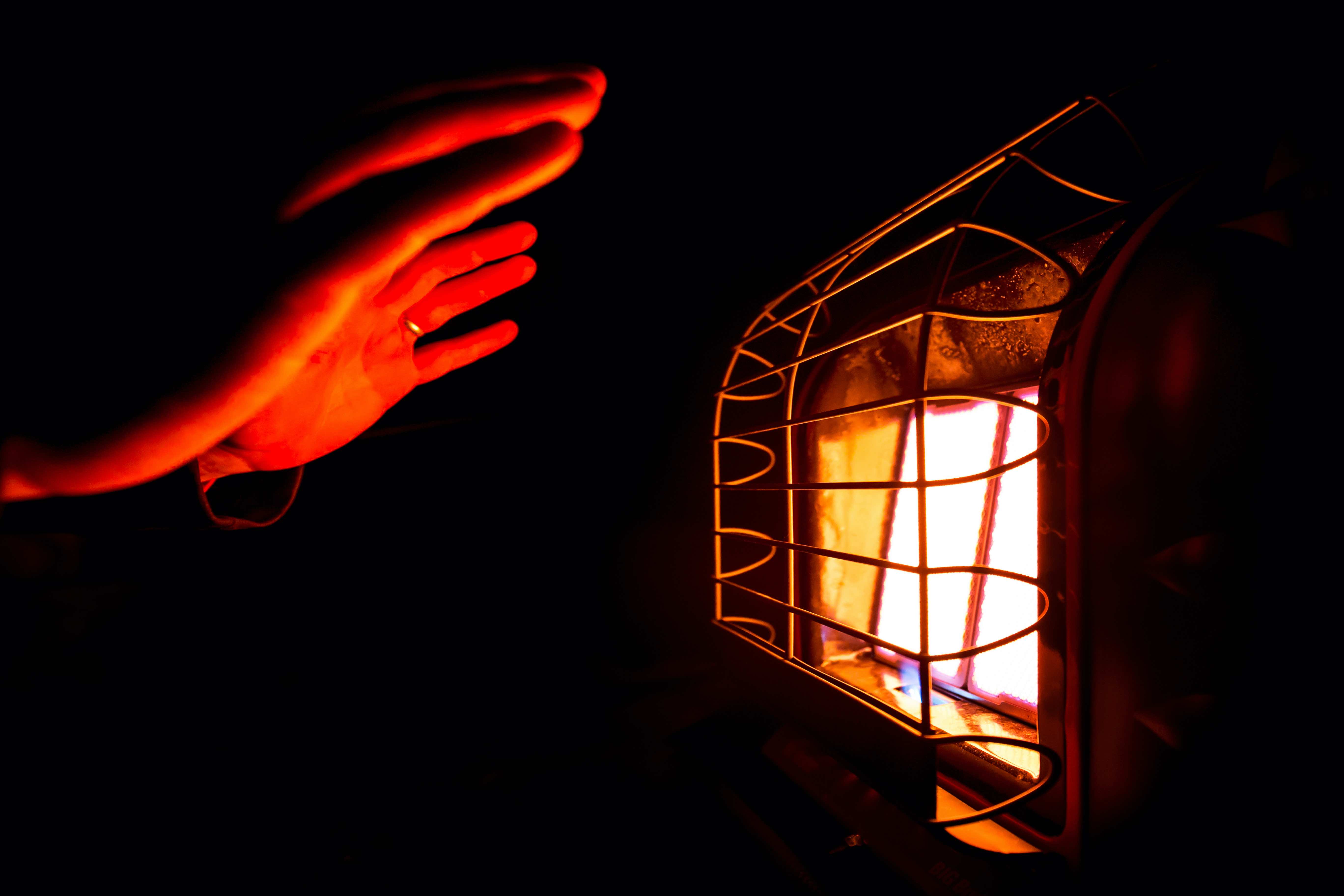
Over 10 million people are expected to heat only one room in their homes this winter, as recent data shows that over a third of Britons cannot afford to adequately heat their entire home when it’s very cold outside.
But many may be placing themselves at risk as Gas Safe inspection data shows that 50% of gas fires in UK homes were found to be unsafe, and a poorly ventilated gas fire is often a common culprit for carbon monoxide poisoning.
The research commissioned by Gas Safe Register found that almost one in 10 (7%) – equating to an estimated 4.5 million – plan to only use the room that is heated using a gas fire this coming winter. Of those who own a gas fire, over half (53%) intend to have doors and windows shut all day over the coming months, so to further help keep their homes warm.
According to the latest Gas Safe inspection data, one in two UK homes with a gas fire was found to have an unsafe appliance. Poor ventilation of these gas fires is a common cause of carbon monoxide poisoning. Gas safe experts are alerting Brits to the dangers of the lack of ventilation and air flow when it comes to heating one room of their homes with a gas fire in this manner.
An improperly maintained or ventilated gas fire can lead to incomplete combustion, producing carbon monoxide, which in some cases may enter the property causing this toxic gas to linger – putting those in close proximity at risk. Carbon monoxide (CO) poisoning can be deadly and is especially dangerous as it cannot be seen, tasted or smelt, and some symptoms mimic the effects of a virus and even a bad hangover.
Further compounding the issue, 15 million Brits (including 15% of respondents over the age of 65) are expected to sleep in this heated room. Rising costs of living (51%), poor mobility (12%) or pre-existing illnesses (13%) are cited as the main reasons why.
Rob Denman, head of professional and field services at Gas Safe Register, comments: “The research we’ve commissioned has highlighted some potentially worrying insights. Whilst it’s completely understandable that people will be trying to find ways to save money this winter, it’s so important that you’re not putting your own or others’ health at risk.
“With a majority of people using gas fires intending to have their doors and windows shut all day, we are urging the nation to ‘let it flow’ over the winter months. All gas-burning appliances need an appropriate supply of fresh air to burn properly, as all produce a residue of carbon monoxide, a highly poisonous gas. If the air supply to the gas fire is restricted, the level of carbon monoxide produced rises sharply – which is why ventilation is so important.
“Carbon monoxide can be extremely dangerous, even deadly, especially as it’s an odourless, colourless, tasteless gas. We’re urging households to ensure that gas appliances, including gas fires, are safety checked annually by a qualified Gas Safe engineer through the Gas Safe Register – and to let the air follow in the home, even when heating just one room. If you do one thing this winter, check the Gas Safe Register to find a local engineer who can help.”
Ahead of Carbon Monoxide Awareness Week this November, Gas Safe Register is offering its top tips on gas safety in a campaign called “Let It Flow”
o Ensure gas appliances, including gas fires, are safety checked and serviced annually
o Make sure all rooms with gas appliances are properly ventilated: Ensure that any rooms that contain a gas fire or stove are well ventilated, and that there are no blockages to ventilation.
o Fit an audible carbon monoxide alarm
o Know the signs of a potential carbon monoxide leak: Lazy yellow flames rather than a crisp blue flame, hissing or whistling sounds, and dust, dirt, or other debris at the fireplace base – could all be signs of CO.
o Know the symptoms of carbon monoxide poisoning: Carbon monoxide poisoning can be hard to identify, as symptoms such as headaches and nausea can easily be mistaken for other illnesses such as flu, colds or even a hangover.
o Locate your Emergency Control Valve (ECV): In the eventuality you do suspect there is a gas leak or carbon monoxide in your home, find out where your gas Emergency Control Valve (ECV) is located, so you can switch the gas supply off in an emergency.
