SPONSORED CONTENT
Radiator buying guide: what’s the difference between single and double panel radiators?
When it comes to keeping the home warm, you’ll want to do things properly. In the cold winter months, nobody wants to be sat shivering on the sofa. You’ll need to consider a heating system for your home that will provide the level of warmth, comfort and energy efficiency that you or your customer are looking for.
Radiators are a fantastic traditional way to warm the home. Their job is to do exactly what the name suggests: they radiate heat around the property. You’ll need to consider the size, style and type of radiator needed depending on your budget and preferences. This blog will explain the different types of radiators available on the market, as well as answer the question we all find ourselves asking: what is the difference between a single and a double radiator?
What are the different types of radiators?
Overall, your radiators will either be plumbed or electric. The main difference is that plumbed radiators are part of the hot water system in a home, where a main boiler heats water that will flow through every radiator in the home. Electric radiators are plugged in to the main electricity supply and are controlled individually in each room.
There are four main types of radiators available:
- Central heating radiators – the most popular type of radiator found in the UK, plumbed-in radiators have hot water pumped through them via connecting pipes that is heated by a boiler in the home.
- Electric radiators – the panels in electric radiators are filled with a thermodynamic liquid that is heated by a heating element that is either wired or plugged in to the home’s main electrics. Electric radiators are suited to rooms that have no plumbing system, such as lofts and conversions, and are controlled individually making them ideal for heating one room as opposed to the whole property.
- Oil-filled radiators – the panels in oil-filled radiators are filled with oil. Like electric radiators, oil radiators are also heated by a heating element that is wired or plugged in to the home’s main electrics and they can be controlled individually in each room.
- Dual fuel radiators – these radiators run on both electricity and gas. They’re plumbed in just like central heating radiators, but they also have an electric thermostatic element installed. This means they can work both on their own in their individual room or be turned on along with the rest of the central heating radiators in the house.
If you’re just looking for a radiator in the bathroom to keep your towels warm, then you can opt instead for a heated towel rail. Heated towel radiators can also be electric or connected to the central heating and are designed specially to keep towels warm in a bathroom for when you’re stepping out of the shower.
What is a convector radiator?
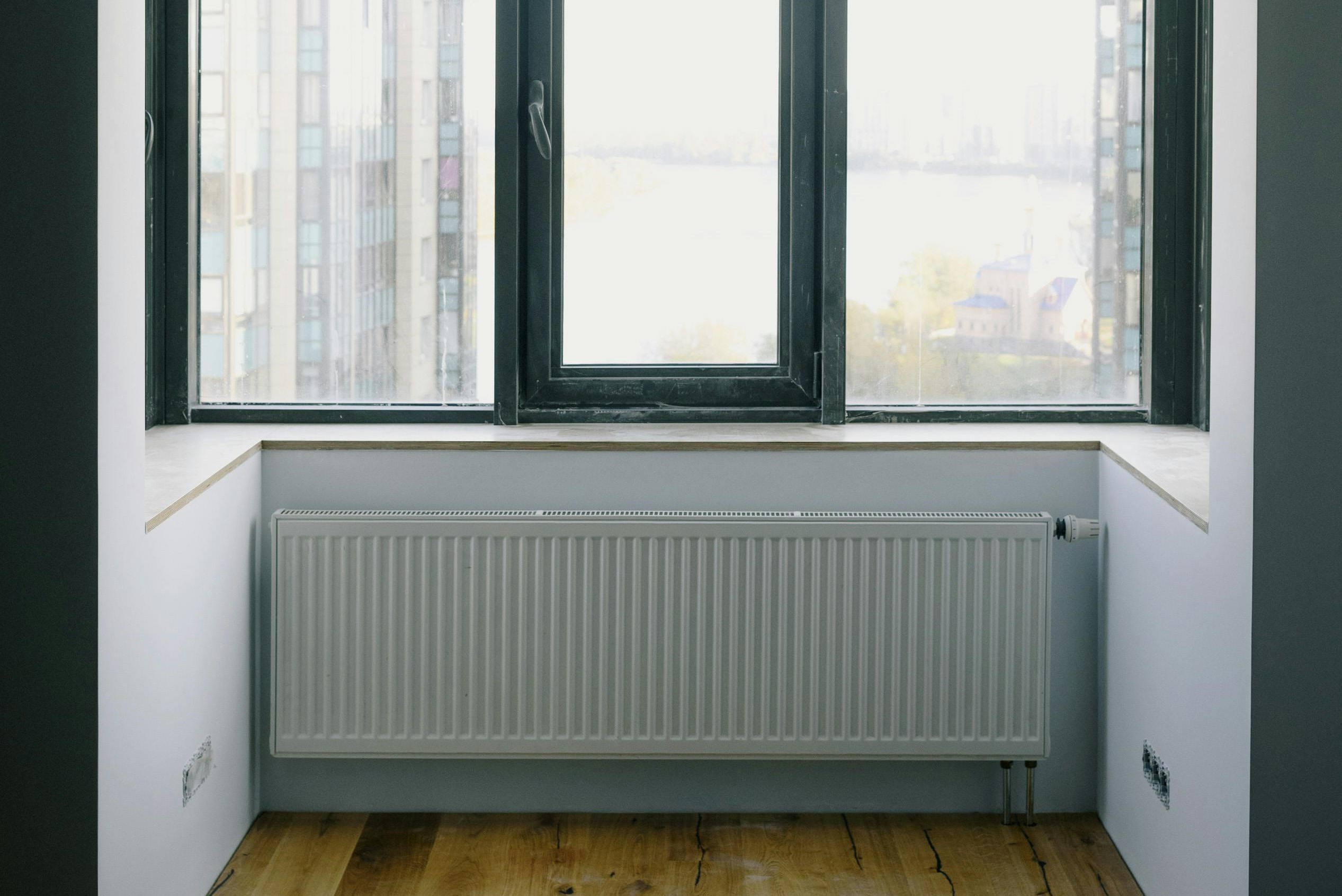
When searching for the ideal radiator for your home project, you’ve probably seen the word “convector” used a lot. Convector radiators feature panels with convector fins attached to them that increase the surface area. The metal zig-zag convector fins sit vertically between each panel and are heated evenly, encouraging heat convection and warming the room quicker.
The difference between single and double panel radiators
Convector radiators are named based on the number of panels and fins they have. The first number is how many panels the radiator has, and the second number is how many fins it has. The most popular types of radiators are:
- Type 11 radiators: also known as single panel radiators, type 11 radiators feature one metal panel and one set of fins.
- Type 21 radiators: also known as double panel plus radiators, type 21 radiators have two back-to-back metal panels joined together by one set of fins.
- Type 22 radiators: also known as double panel radiators, type 22 radiators have two back–to–back metal panels connected by two sets of metal fins.
- Type 33 radiators: less popular, type 33 radiators are also known as triple panel radiators and feature three metal panels with three sets of fins joining them together.
The higher the number of panels and fins a radiator has, the more surface area there is available to be heated, and therefore the higher the level of heat output.
Single panel radiators are more suited to smaller rooms such as offices, utility rooms and small bedrooms, due to their smaller size and heat output. They’re also less expensive than radiators with more panels, and cheaper to run due to a lower heating capability. Single panelled radiators might also be more aesthetically pleasing if you’re after something more minimalistic – they’re sleeker and won’t stick out from the wall as much as double panelled ones.
Double panel radiators would be more suitable for larger rooms that require higher levels of heating as their extra panels and fins provide a higher heat output. They heat up quicker than single panel radiators and might be a more energy efficient option as they’re generally better at keeping a room heated at the desired temperature.
Which radiator do I need?
Now that you know about the different types of radiators, including the differences between single panel radiators and double panel radiators, you’ll need to decide which you think is best for you.
Most importantly, make sure to consider the sizes of the rooms you intend to heat up and the amount of heat you think you’ll need to get the rooms to a comfortable desired temperature. A particularly small room will probably need a single panel radiator, whilst a larger space would need a double or even triple panel one.
You’ll also need to think about the amount of wall space you have – horizontal radiators might not fit everywhere, so there are vertical radiators available as a more space-saving option.
The style of your radiator can be equally important, whether you want it to blend in seamlessly with the rest of the room or stand out as a statement piece. Radiators are available in various traditional and contemporary designs. They’re available in different materials too, including cast iron, steel and aluminium, each with their own benefits and features. There are even many high-quality, heat-resistant radiator paints available so you can personalise your radiator to your tastes.
Selco boasts a great range of radiators, including electric, oil and convector radiators as well as heated towel rails. Choose between single and double panel radiators depending on the job at hand, as well as a range of handy radiator accessories.