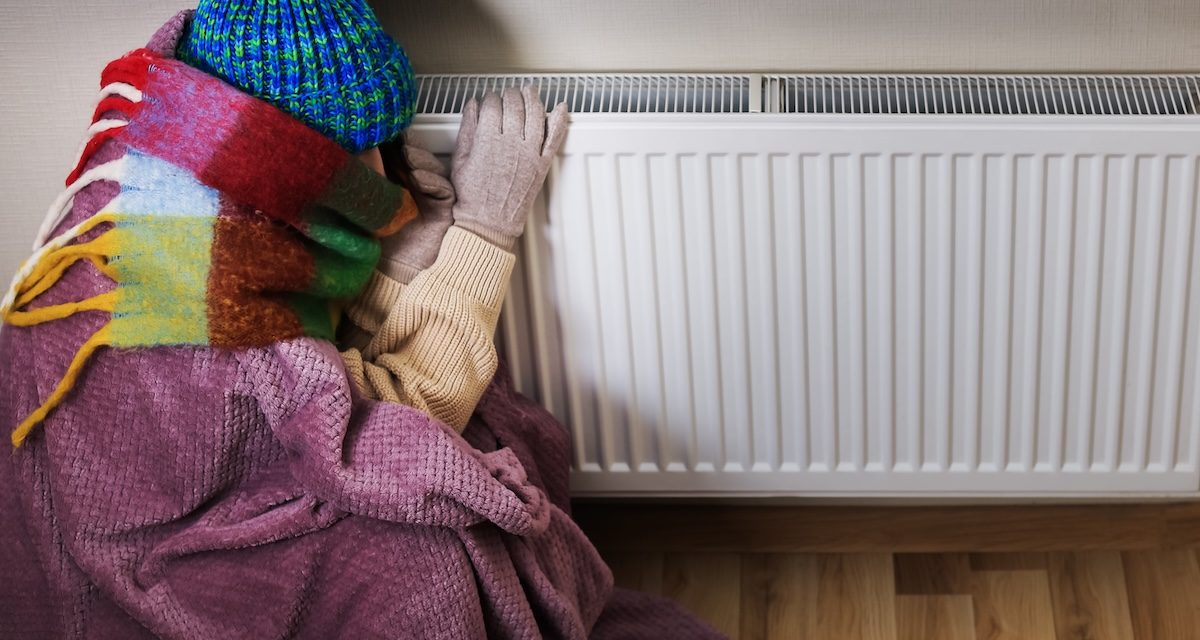
Thousands of people across the UK have been admitted to hospital with illnesses linked to cold homes in recent years, with new data pointing to the real culprit being sky high electricity prices that are leaving people vulnerable to a growing winter health threat.
NHS Trusts reported a 66% surge in admissions for pneumonia, a 45% increase in cases of hyperthermia, and a 33% rise in incidents of excessive cold. People aged over 70 were hit hardest, recording the highest number of hospital admissions of any age group since 2020.
New figures commissioned by clean energy tech company, Aira, reveal an upward trend in hospital admissions for hypothermia, pneumonia and extreme cold since the energy crisis began around four years ago. The figures from 2022 to 2025 show a sharp spike across all categories, suggesting that soaring energy prices – triggered by the war in Ukraine – have had a significant impact on households in the UK. Now, with a new energy crisis unfolding in the Middle East, the trend could raise fears of higher cold-related hospital admissions and greater pressure on UK hospitals.
The figures show 5,828 adult hospital admissions for cold-related conditions among people who reported they were not homeless, meaning they were living in homes they owned or rented. In England, 4,701 were admitted for cold-related conditions from 2020 to 2025, in addition to 1,127 admissions in Scotland. Aira analysed Freedom of Information responses from NHS Trusts, with 71 providing geographic data for the five-year period and nationwide data provided by NHS Digital and Public Health Scotland.
The crisis exposes how Britain’s electricity pricing system disproportionately charges households who rely on electric heating, with those on electric heaters being far more likely to be in fuel poverty than those using gas. New figures emerge as the Energy Company Obligation (ECO) scheme is due to end in March 2026 and industry awaits the publication of the Future Homes Standard.
Matt Isherwood, Aira UK MD comments:
“Far too many households in Britain today are living in dangerously cold homes, made worse by electricity prices that are among the highest in Europe and the developed world. It is fundamentally unfair that clean electricity is taxed more heavily than gas. The situation could deteriorate further for households and public services if energy prices climb due to the Middle East crisis – with wholesale UK gas prices more than doubling since the war began.
“To fix this, we need to rebalance the cost of electricity relative to gas, introduce an urgent support scheme for low-income households, and publish the Future Homes Standard. These measures will protect health, cut energy bills, and help the UK meet its electrification and decarbonisation targets – and reduce our dependence on foreign fossil fuels.”
Madeleine Gabriel, director of sustainable future at Nesta, adds:
“Nobody should be getting ill from living in a cold home because they can’t afford to turn up the thermostat. The government is taking action to help make heating more affordable, including committing £15 billion for home upgrades over five years, but fuel poverty remains the reality for many, including those on the lowest incomes with electric heating. Higher electricity bills disproportionately affect the poorest – to address this, the government will need to go further in cutting electricity costs.”
The government provides guidance on maintaining a healthy home, which installers can pass on to their customers:
- Try to keep your home at around 18°C where possible, as this helps protect health, particularly for older people, children, and those with existing conditions.
- Heat as many rooms as you can, as unheated spaces can lead to damp and mould, which may worsen breathing problems and increase the risk of illness.
- Use thermal or lined curtains and close them at dusk to help keep warmth in and make the most of any heat gained during the day.
- Improve loft and wall insulation where possible, which can help keep heat in for longer and reduce energy costs over time.
- If you’re worried about keeping your home warm, contact your local Citizens Advice Bureau or council, who may be able to offer support such as a free indoor thermometer or advice on available help.