
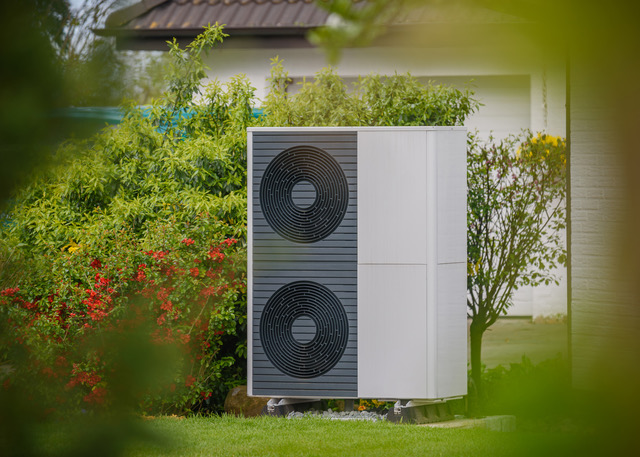
A new report is highlighting the role hybrid heat pumps could play in accelerating the UK’s heat transition, showing they could reduce system costs, ease pressure on electricity networks and offer a practical route to decarbonising homes where full electrification is not cost-effective or practical.
The analysis by consultancy Stonehaven – The heat decarbonisation two-step – suggests there is a significant cost advantage to installing a hybrid heat pump, which is around £2,700 cheaper than a standalone heat pump in nearly a fifth of all English homes.
The report also argues that the biggest lock-in risk is not the use of hybrid systems themselves, but the continued lack of affordable and practical low-carbon options for households. Without credible routes to cut emissions now, many homes will remain locked into conventional gas heating for longer.
Stonehaven also highlights potential wider savings from adopting hybrid systems, including £830m a year in reduced network reinforcement costs, more than £21bn in avoided distribution investment by 2050, and over £9bn in lower consumer charges over the same period.
The study was sponsored by gas network operator Cadent, which worked with Stonehaven to outline policy recommendations. These include expanding eligibility for the Boiler Upgrade Scheme to cover hybrid systems and improving coordination between gas and electricity network planning.
The report highlights the Netherlands as a comparable case study for the UK to follow, given the similarities in country-specific factors, particularly their reliance on gas.
In the Netherlands, deployment of hybrid heat pumps has demonstrated significant gas savings. One trial, for example, shows an average gas saving of almost 75%, with hybrid systems being recognised as a source of greater system flexibility. Stonehaven and Cadent are encouraging UK government to take these findings into consideration when laying out its decarbonisation strategy.
Samuel Chivers, associate director for Energy at Stonehaven
“Decarbonising heat in the UK will require solutions that reflect the diversity of homes across the country. Our analysis shows that hybrid heat pumps could play an important role, cutting emissions while lowering installation costs and easing pressure on networks.
“In almost a fifth of English homes fully electric solutions are not yet the most cost-effective option for heat decarbonisation. For these homes, with the right policy framework, hybrids can offer a practical pathway to accelerate the transition.”
Dr Angela Needle, director of strategy at Cadent:
“The debate on low-carbon heating often assumes a one-size-fits-all solution, but the evidence shows that households and housing stock are far more diverse. Hybrid heat pumps offer a pragmatic route to reducing emissions now while managing costs and system pressures.”
Download the full report by clicking this link.
