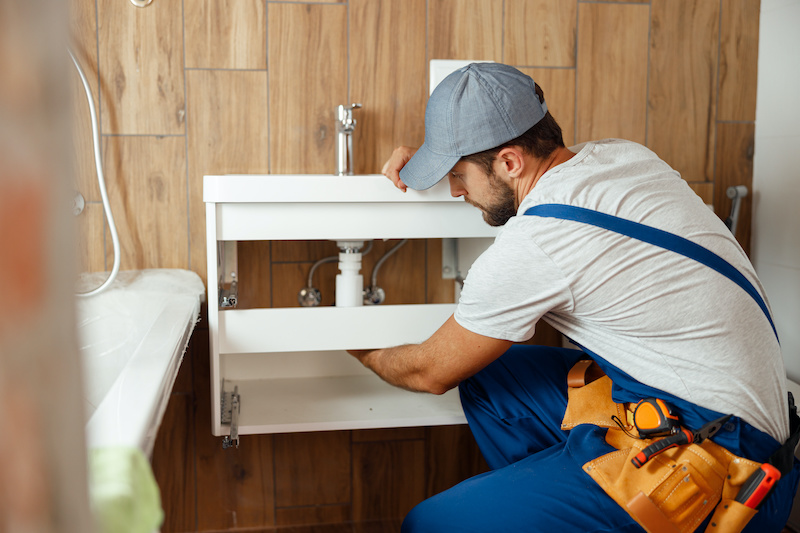
Tom Reynolds, chief executive of the Bathroom Manufacturers Association (BMA), argues that a licensing regime for plumbers and bathroom installers is now an urgent necessity.
At the recent InstallerShow, the BMA hosted the Future of Water Theatre, a platform dedicated to crucial discussions within the bathroom sector. We have been championing a critical message – the need to license UK plumbers and bathroom installers. This is a matter of professional pride and a crucial step in ensuring quality, safety and consumer trust in our industry.
Currently, anyone can label themselves as a plumber or bathroom installer with minimal barriers to entry. This oversight, in addition to a significant skills shortage and inadequate training, is damaging the sector and impacting consumer trust. The education and training system for plumbing professionals and bathroom installers must be overhauled to ensure high standards across the board.
During the show, I had the pleasure of discussing this issue with Kevin Wellman, CEO of the Chartered Institute of Plumbing and Heating Engineering (CIPHE), and Damian Walters, CEO of the British Institute of Kitchen, Bedroom & Bathroom Installation (BiKBBI). Both leaders underscored the dire consequences of insufficient training and the benefits of a robust licensing regime.
The case for licensing
Kevin highlighted some alarming statistics: insurance companies pay out £2 million daily for water damage claims, and in the last ten years, some 32,000 hospital bed days have been taken up by individuals scalded by hot water appliances, and a further 31,700 as a consequence of burns from pipes and radiators (figures provided by NHS Digital). Many of these issues stem from inadequate training and the absence of standardised qualifications. By introducing compulsory licensing, we can ensure that only fully qualified professionals are recognised as plumbers or bathroom installers.
Damian emphasised the importance of an industry-led system. Such a regime would distinguish competent professionals from those who lack the necessary skills and commitment. Kevin pointed out that while licensing has cost implications, a level playing field would ensure that all practitioners meet the same standards, enhancing overall industry quality.
Industry buy-in
Securing industry-wide support for licensing involves creating an umbrella scheme that encourages membership in recognised organisations or trade bodies. Kevin noted that the primary goal is safeguarding public safety and consumer interests. Unqualified installers often use substandard products, leading to poor outcomes and financial loss for consumers. A mandatory scheme would ensure that only adequately qualified individuals can work in people’s homes, and those who fail to meet standards would be excluded from the profession.
Manufacturers also play a crucial role in this ecosystem. While credible manufacturers ensure their products comply with regulations, non-compliant products still enter the market. This issue necessitates stringent market surveillance and enforcement by trading standards, which must be adequately resourced by the government. As Damian pointed out, without effective policing, the rules remain toothless, allowing rogue traders to undercut compliant businesses by cutting corners.
Ongoing training
Training and education in the plumbing and heating industry must exceed initial qualifications. CPD should be integral to a plumber or bathroom installer’s career, akin to professions like architecture. This ongoing training ensures that professionals stay updated with the latest standards and technologies, ultimately benefiting consumers and raising the industry’s status.
Kevin eloquently argued that plumbers have historically saved more lives than doctors by ensuring safe water systems and sanitation. Proper training and licensing would raise the industry’s status, enhance public health and safety, and allow professionals to command fees that reflect their expertise.
Government backing
The government must engage with industry bodies like the BMA, BiKBBI and CIPHE to move forward. These organisations possess the expertise and insight to shape a robust licensing framework. Given the frequent changes in political leadership, it is vital for the government to establish long-term commitments to support industry-led initiatives.
Mandatory licensing and registration are essential to protect consumers, elevate industry standards, and address the frustration caused by unqualified opportunists. By adopting this path, we can ensure that plumbing and bathroom installation in the UK are synonymous with excellence and reliability. We must commit to these changes for the industry to thrive and maintain public trust. Licensing is not merely a regulatory hurdle but a critical step towards a safer, more professional, and respected trade. The time for action is now, and it is up to all stakeholders –government, industry leaders and professionals –to drive this change forward.