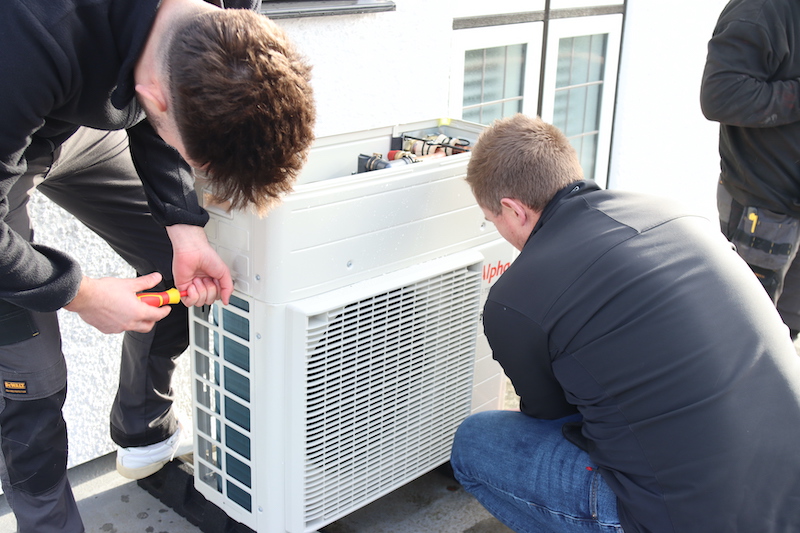
The domestic heating sector is evolving, driving a surge in installer upskilling for technologies like heat pumps. Dan Wilden from Alpha outlines key installation errors to avoid, emphasising proper insulation, correct appliance sizing, and thorough commissioning and handover processes.
Domestic heating is transforming as the government targets net zero by 2050. Existing and new homes must evolve to meet the demands of a low carbon future – and a big part of that is heating. As such, a number of installers are upskilling to ensure a full understanding of new technologies such as hybrid systems and heat pumps.
With this in mind, I will highlight the five common mistakes that installers may unintentionally make during the installation of a heat pump, how to make sure it’s installed to meet the homeowner’s every need, and to the best efficiency.
Insulation
It’s well known that good insulation in the walls and loft is vital for a top-performing heating system; however, with heat pumps another type of insulation is needed. As the unit sits on the exterior of the property, there will be pipes that are exposed to the elements and therefore at risk of heat loss. Heat pumps can be a significant up-front investment for homeowners, offering long-term efficiency benefits. Therefore, ensuring any exterior pipework is well insulated is imperative. But this, regrettably, is an area we see many installers fall down on.
Appliance size
Much like boilers, heat pumps come in a variety of outputs to suit the demand of the property they are being installed in. It’s crucial during the design and pre-installation phase of the heating system upgrade that a full heat loss calculation is undertaken to assess the requirements of the heat pump.
We often see installers not specifying the correct size unit, meaning it may need to work harder to provide the necessary heating for the property, or have surplus energy to requirements.
System size
To get the best performance out of a heat pump system, a larger surface area of radiator – or even underfloor heating – is advised, which may require pipe upgrades. This enables the user to drop the flow temperature and thus makes the system cheaper to run, as a larger surface area is being heated. If switching a homeowner from a gas or oil boiler, it’s the responsibility of the installer to inform them of any necessary changes to the heating system to accommodate the full efficiencies of a heat pump – which will ultimately save them money in the long run.
Commissioning
Once the unit is installed it will need commissioning. Heating installers will be well-versed in commissioning gas boilers, which is very straight forward. Meanwhile, a heat pump commission can take up to two to three hours to get it to the right setting, and we often see installers treating this as a good ‘end of the day’ task, which certainly isn’t the case.
Handover
The final piece to the installation puzzle is handover. Ensuring a detailed and thorough handover with the homeowner is essential. Remember, this technology is even newer to them than it is to you, and it’s very likely that they’ve taken the plunge and invested in this piece of technology that they may know little about.
It’s the installer’s job to take the time to explain how the system works, how to operate it and, most importantly, how to run it most efficiently. The best way to operate a heat pump is to continuously run it at a lower and consistent temperature. I liken this to comparing a long and steady motorway journey to inner-city driving.
Alpha encourages installers to attend its free training courses in order to stay on top of product innovation, learn about renewable heating systems and secure themselves a competitive edge within their local markets.
Find out more
For more information on Alpha’s heat pumps and to find out about the manufacturer’s training opportunities, go to: https://www.alpha-innovation.co.uk/installer-2