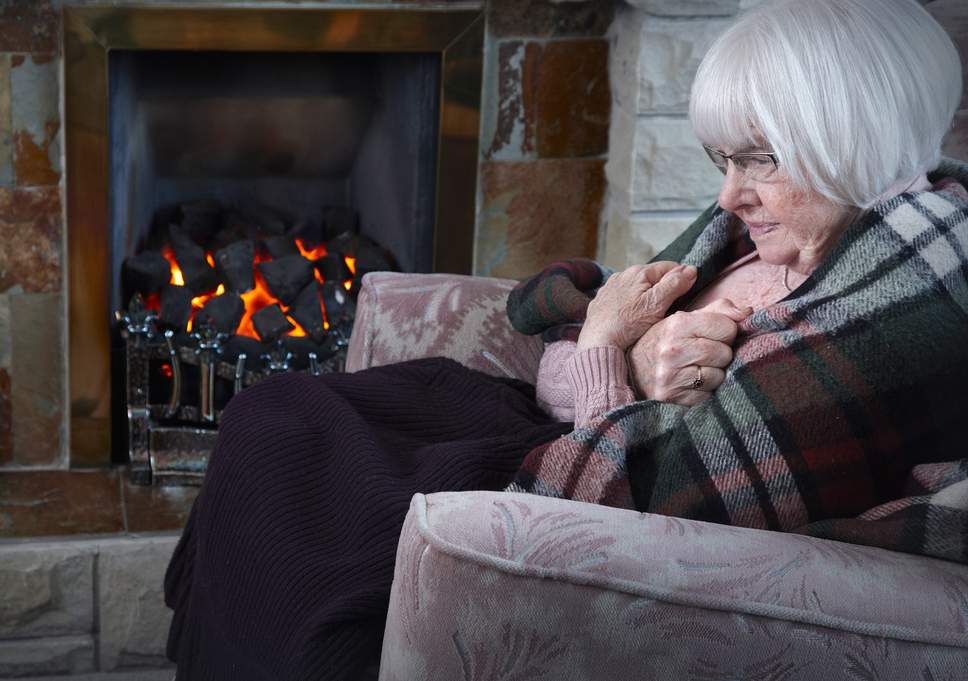
Today – Friday 15th February – marks National Energy Action’s annual Fuel Poverty Awareness Day. The event aims to highlight the pressing issue of fuel poverty and the importance of ensuring that vulnerable people have access to a warm, dry, safe home. The NEA operates across England, Wales and Northern Ireland, and works with sister charity Energy Action Scotland, campaigning to ensure that the needs of fuel poor households are recognised and addressed. It provides advice and guidance to installers on good practice in delivering energy efficiency services to low income households and provides research and analysis on the causes and extent of fuel poverty.
The Energy and Utilities Alliance (EUA) has taken the opportunity to call on the UK Government to extend and reform their approach to tackling fuel poverty, arguing that connecting more low households to the mains gas grid can deliver considerable heating cost reductions. Isaac Occhipinti, Head of External Affairs, comments: “The statistics surrounding fuel poverty are alarming and should not be ignored. We have long been calling for better targeted funding for those who are most at risk from fuel poverty. Our first report on Fuel Poverty: ‘Fuel Poverty- A Connected Solution’ launched in 2017 found that by simply refocusing current Government schemes to deliver first-time gas central heating systems in communities close to the gas grid, nearly 140,000 households could benefit from bill savings of at least £992 a year, a transformative amount for those stuck in the vicious cycle of fuel poverty.
“We all have a role to play. It’s time for Government to listen to the facts and advice, and for the industry to get on with helping those hundreds of thousands of families who today juggle between heating and eating. We support Fuel Poverty Awareness Day and encourage others in our industry to get on board and give their thoughts to the Government.”
The EUA released a second report last year ‘Fuel Poverty: Ending the vicious cycle of vulnerability’, which revealed that every year, cold homes kill over four times as many people as road and rail accidents and nearly four times as many people as drug misuse.