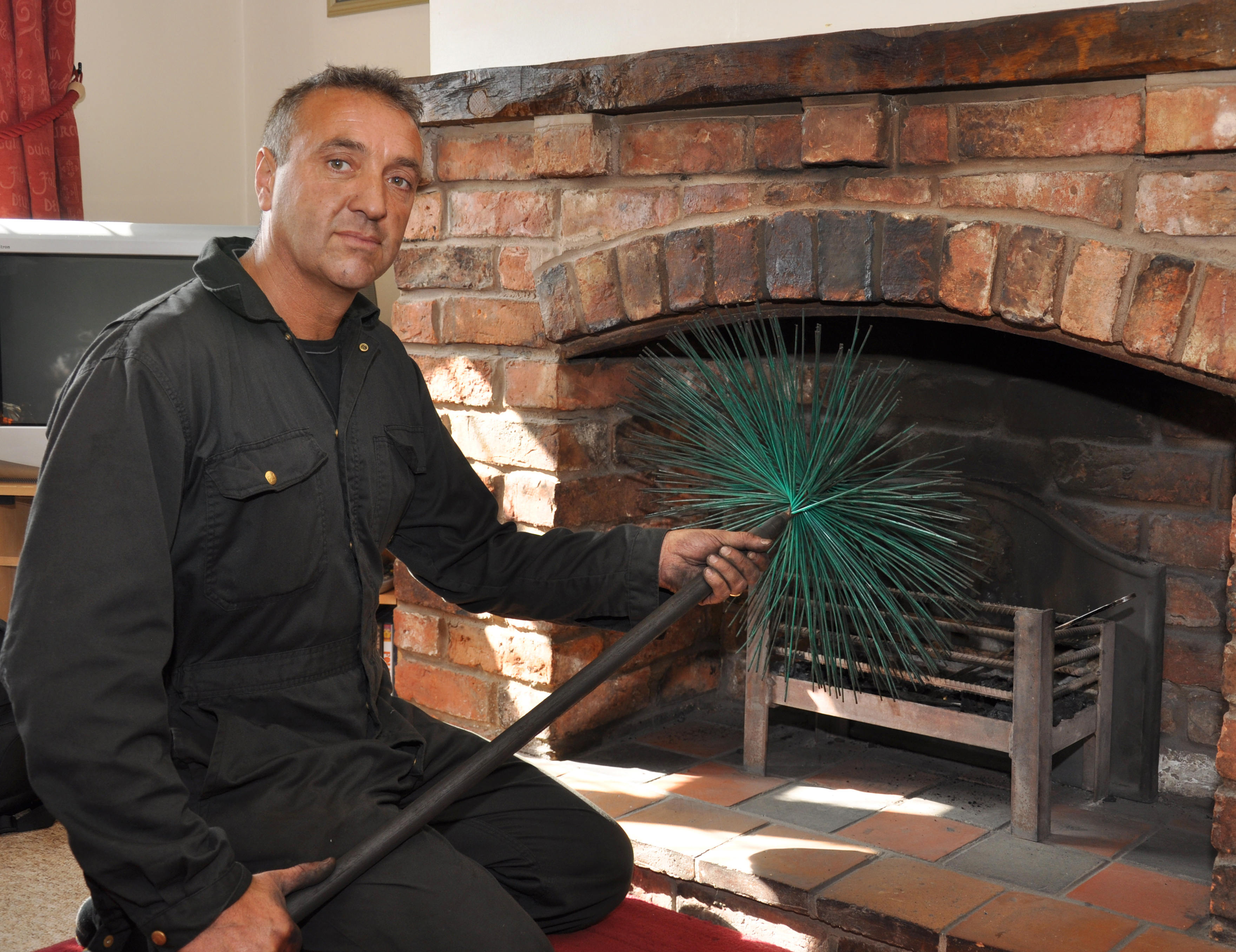
As part of CO Awareness Week, (21st-25th November) HETAS is reminding people with wood burning stoves to have their appliances checked and chimneys swept.
HETAS – the Government-backed body for approving biomass and solid fuel appliances, fuels and services – is using CO Awareness Week to talk about the risks of CO exposure and offer advice to homeowners to keep their families and properties safe.
Bruce Allen, HETAS CEO, comments: “While most people associate CO with gas, fuels such as oil, paraffin, coal, petrol and wood, all have the potential to emit CO if burned in faulty or unmaintained appliances. CO cannot be seen and has no smell of its own, making it very difficult to detect by sense of smell and it can be very dangerous. For solid fuel and wood burning appliances, if the room is filling with smoke or fumes, action is required immediately.
“CO poisoning occurs when too much is inhaled. The most common instances are linked to heating appliance malfunctions and lack of servicing or chimney sweeping which means the CO filters back into the property, exposing the inhabitants. CO prevents oxygen from being carried around the body, causing sufferers to experience flu-like symptoms and in the worst case, injury or death.
“First and foremost, if you don’t have a CO alarm already – buy one today. Good ones can be picked up from around £15 or you can order them directly from us for recommended products. The device will detect any signs of the gas and allows you to react quickly. However, the key to prevention is regular servicing of your heating appliances by a registered competent person. HETAS Registered Installers and Approved Sweeps are trained to spot any problems which could lead to CO poisoning.”
Waxman Heating, Elland based supplier of solid fuel stoves and chimney system accessories, is also showing its support of Carbon Monoxide Awareness Week 2016 by providing its customers with free CO alarms with every full chimney system order placed 21st to 25th November. This will help installers ensure their customers are safe from CO poisoning, should a fault occur with a heating appliance in the home.