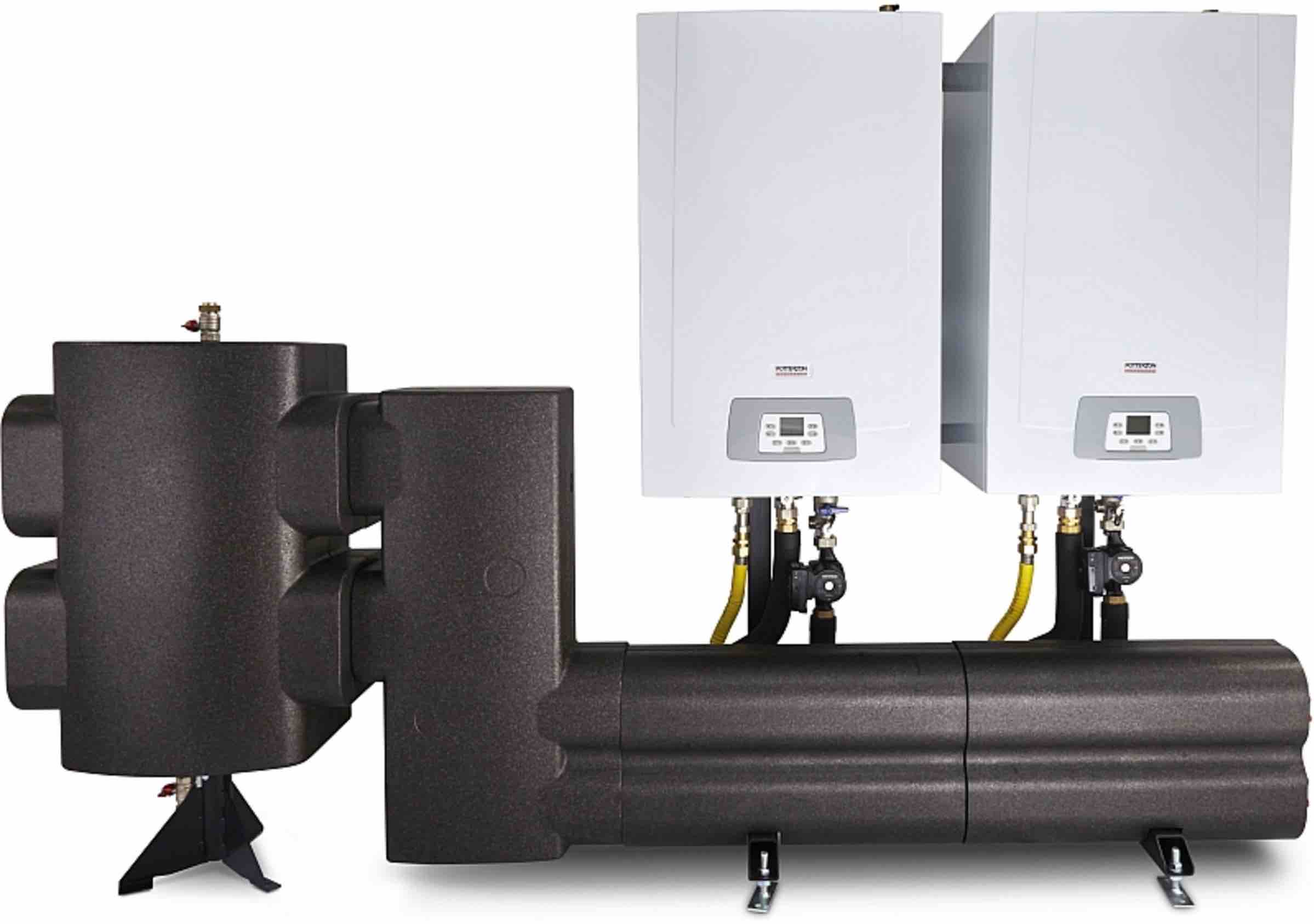
Potterton Commercial is urging contractors to expand their knowledge of energy efficiency beyond simply adhering to the minimum legal standards. This follows the results of UK Construction Week’s survey, in which 67% of respondents said that a lack of knowledge prevented buildings being run more efficiently.
National Sales Manager Steven Evans says that while regulatory compliance is important, contractors should also brush up on other factors that affect a boiler’s energy efficiency, such as modulation ratio.
“When recommending an energy efficient boiler, the go-to data is often its seasonal efficiency, but most modern condensing commercial boilers perform well when it comes to this measurement,” says Steven. “To get the most accurate picture of a boiler’s overall efficiency, engineers should also consider its modulation range, which is the difference between the maximum and minimum output of a boiler, often expressed as a ratio. For example, Potterton Commercial’s Sirius two boilers have a modulation ratio of 9:1, so its 90kW model can modulate down to 10kW.
“As a general rule, the higher the ratio, the better. It plays an important role in enabling a building to operate more efficiently. A wide boiler modulation ratio reduces constant on/off cycling and can better accommodate fluctuating heating demands without using excessive energy, therefore improving efficiency and extending the life of a boiler.”
Concluding, Steven Evans says: “Energy efficiency is an overall picture comprising many different elements, including seasonal efficiency and modulation ratio. To consider either measure in isolation will not result in the best possible levels of energy performance for a building.”