HM Revenue & Customs (HMRC) is reminding heating and plumbing engineers to check if they need to submit a Self Assessment tax return for the 2022 to 2023 tax year.
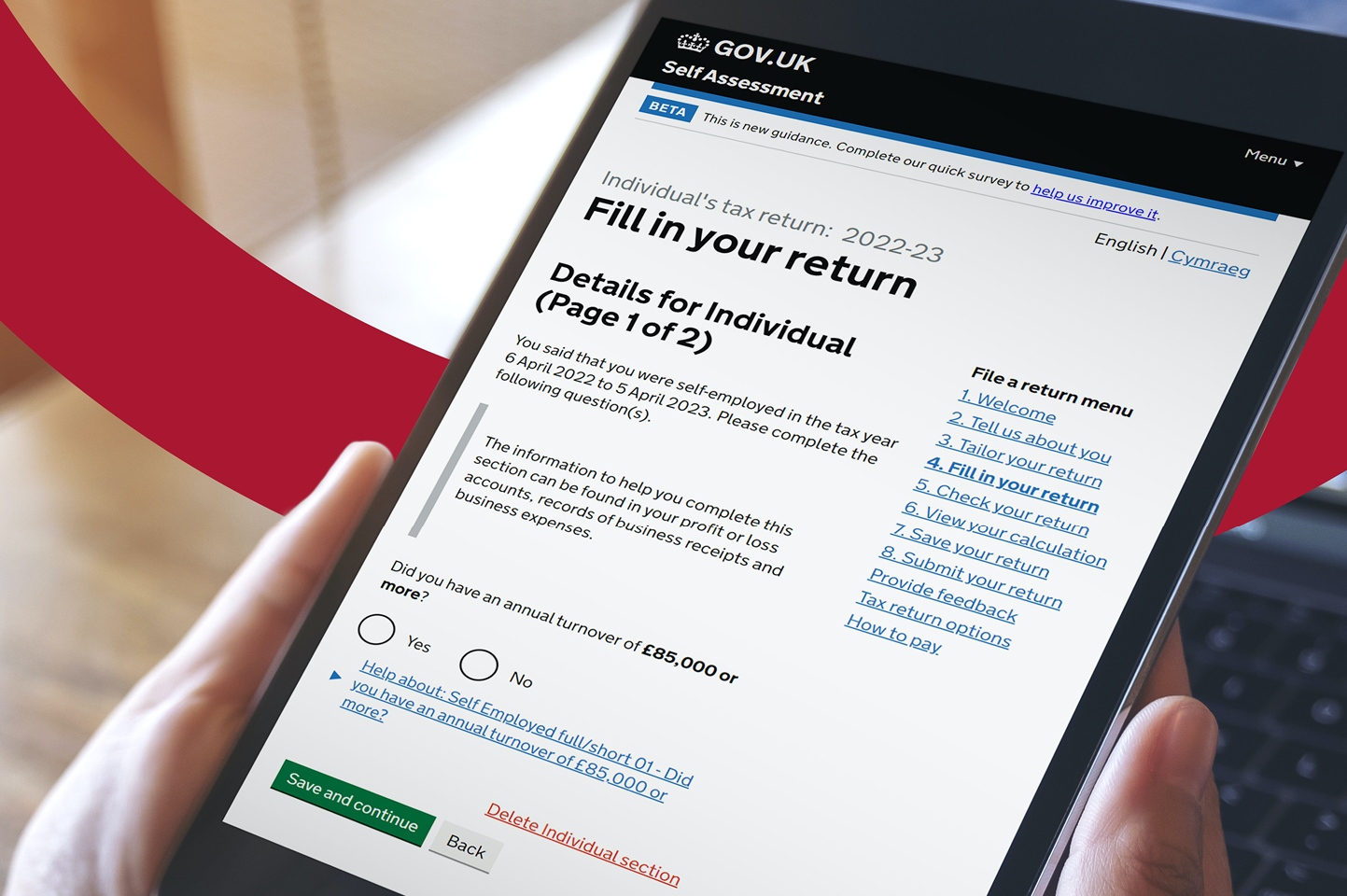
For those who will be doing it for the first time, they only have until 5 October 2023 to tell HMRC. Installers can use the free online tool on GOV.UK to check if they need to complete a tax return for the 6 April 2022 to 5 April 2023 tax year.
There are many reasons someone might need to complete a tax return for the first time, according to HMRC, some of which may be obvious:
o Starting work for yourself, so being newly self-employed, and earning over £1000
o Having multiple sources of income
o Receiving untaxed income, for example, in this digital age, creating online content and earning money from it
o Receiving income from a property that you own or rent out
Others may seem a little less obvious:
o Becoming a new partner in a business partnership
o Claiming Child Benefit when you, or your partner, earn more than £50,000 a year
o If you earn more than £100,000 a year
o If you receive interest from banks and building societies (more than £10,000)
o If you receive dividends in excess of £10,000
o If you need to pay Capital Gains Tax
o Or, if you are self-employed and earning less than £1000 but you still want to pay Class 2 National Insurance Contributions (NICs) voluntarily to protect your entitlement to a State Pension and certain benefits
HMRC advises that individual circumstances can change in a variety of ways over time, so it’s important to consider if any of these might mean you have to complete Self Assessment. Even people paying taxes through PAYE in an employed role may still need to submit a tax return.
For those who no longer need to file a Self Assessment tax return – whether they’ve given up work, retired or fallen below the minimum income threshold – they will need to let HMRC know before the 31 January Self Assessment deadline, as otherwise they will be expecting you to send your figures in and you could face a penalty.
Visit GOV.UK to register for Self Assessment or request to remove yourself from Self Assessment. There is a new customised step by step guide for customers that are filing for the first time. If you’re already registered for Self Assessment, you don’t need to register again and can use your existing Unique Taxpayer Reference (UTR) to complete your tax return.
HMRC said in a press statement: “If you’re completing Self Assessment this year, whether it’s for the first time or you’ve been doing it for years, you may want to consider filing your tax return early. Many customers leave it until the last minute and file on or around the 31 January each year. Did you know more than 860,000 customers filed their 2021 to 2022 tax returns on 31 January 2023?
“You can file any time after 6 April. If you file earlier, you aren’t required to pay earlier, but you do benefit from finding out exactly what you owe and getting some time and space to budget and manage your tax bill to suit your finances.
“Whatever action you take regarding your Self Assessment status, stay aware of scammers. Scammers use HMRC’s calendar to contact potential victims with messages timed to be most effective. They know the key Self Assessment dates and will contact you when you’d expect HMRC to be in touch, hoping that busy people will be easily taken in and click on a link or contact them so they can steal your details or your money.“