Upgrading static electric storage heaters in half a million electrically heated homes could help to close a combined fuel poverty gap of £160million every year, were they not excluded from energy efficiency improvement programmes. This is according to a new report by Glen Dimplex Heating & Ventilation.
More than 3.2million households in England and Scotland are fuel poor according to official statistics. Around 15% of these – almost 500,000 – use electricity to heat their homes and are paying over the odds for their heating, often due to the use of ageing electric storage heaters and incorrect specification.
Despite this, Government incentive schemes are failing to offer the funding needed to support heating system upgrades in electrically heated homes with modern, smart appliances that can slash heating bills.
Chris Stammers, Head of Insight for Glen Dimplex Heating & Ventilation, says: “Thousands of households are still paying over the odds for their heating bills, even though modern appliances could lift them out of fuel poverty by dramatically lowering running costs.
“Invariably, the issue is the cost of installation – very few homeowners in fuel poverty can afford the upfront cost to install a new heating system, whilst private and social housing tenants have no choice but to use the heating system they have been given.
“Those with gas central heating systems have access to a number of funding programmes designed to facilitate heating upgrades to improve the energy efficiency of the property, but there is not currently enough support for electrically heated homes.
“By extending funding support to electrically heated homes, we could facilitate hundreds of thousands of additional electric heating upgrades. We could replace the ageing storage heating systems and address those incorrect specifications which are contributing to a fuel poverty gap of around £160million. And we could improve daily life for millions of homeowners, private tenants and social housing residents across the UK.”
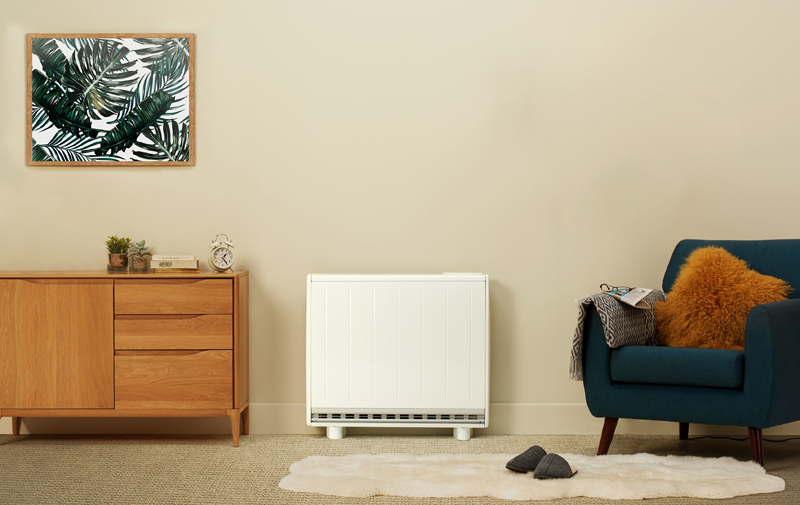
The report highlights the potential of modern, smart electric heating appliances, including direct-acting electric panel heaters and high heat retention heaters, which draw energy during off-peak periods to deliver heat at any time of the day or night. Both can include intelligent controls which react to changes in climatic conditions and occupant behaviour for enhanced efficiency.
Chris Stammers adds: “Due to their inherent reliability, the average storage heater in the UK is more than 20 years old, and around 70% of the UK’s installed storage heaters are of the old, manually-controlled type. Electric heating is not what it used to be. Modern appliances are intelligent, efficient and incredibly easy to use, with proven cost savings for users.
“If we can facilitate more heating upgrades in these homes, we can make significant progress in reducing the fuel poverty gap – but more support must be provided to enable that to happen.”