
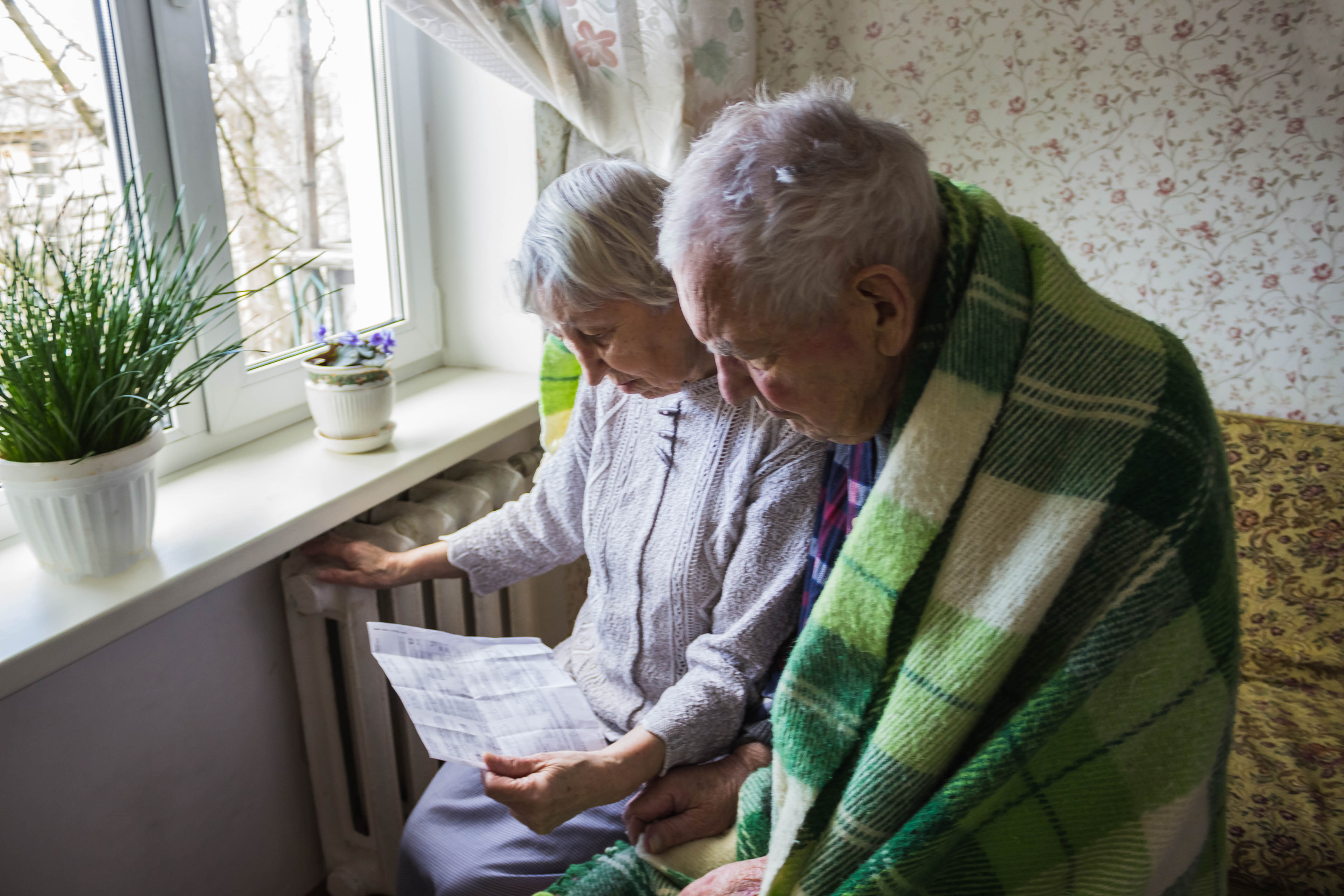
Many UK households face a significant rise in fuel bills from October after Ofgem, the energy regulator, confirmed that it would increase its cap on the most widely used tariffs in response to soaring wholesale energy costs. Consumer groups and charities have warned the rise – estimated to amount to £153 for prepayment customers and £139 for those paying by direct debit – will come at the worst possible time in the autumn as the furlough scheme, designed to support jobs throughout the coronavirus pandemic ends, and additional aid to the universal credit benefit is removed.
Peter Smith, Director of Policy and Advocacy at fuel poverty charity National Energy Action (NEA) comments: “This is a devastating increase. Millions of household budgets are already stretched to the limit and this massive increase could not be coming at a worse time. As well as a significant rise in general inflation – driving up spending on other essentials such as food – the new cap level takes effect in October when millions of people will see a reduction in their incomes, as furlough winds down and the uplifts to Universal Credit are likely to be withdrawn. This toxic combination of higher prices, reduced incomes and leaky, inefficient housing, will lead to a further surge in utility debt and badly damage physical and mental health this winter.”
The charity is calling on the government to do more to protect the most vulnerable consumers this winter.
“For years Ofgem and the government have insisted the way to avoid increases to bills is to switch,” adds Smith. “Many fixed deals have however come to an end and for some customers switching is impossible due to levels of debt or because pre-pay customers have far fewer options to switch supplier or tariff. There may be limited scope to mute the impact of soaring wholesale prices within the cap, but Ofgem can and must provide deeper protection for the most vulnerable customers. The UK Government can also directly help reduce energy arrears as well as maintaining investment to reduce needless energy waste in our homes.”
