
The Gas Safety Trust recently held a workshop in London to discuss issues relating to the difficulty in diagnosing carbon monoxide poisoning. Supported by the British Toxicological Society, the workshop was chaired by Baroness Finlay of Llandaff and attended by clinicians and toxicologists working in this area.
Attendees considered current research into new biomarkers, what lessons could be learnt from similar areas of research and how we might explore and challenge thinking, to answer questions relating to the neurological effects associated with CO exposure.
Baroness Finlay comments: “The outputs and recommendations from this meeting will help clinicians and researchers. And they will guide the many different government departments and agencies involved in the prevention and treatment of CO poisoning. Evidence to inform guidance and regulation depends on realising the extensive effects of CO.
“This workshop has stimulated fundamental research. The findings will feed into better guidance and may reveal far wider harms from low-level exposure than previously thought. Accidental CO poisoning is a modifiable risk factor, which, if implicated in the occurrence or progression of other diseases, could present itself as a monumental risk to public health.”
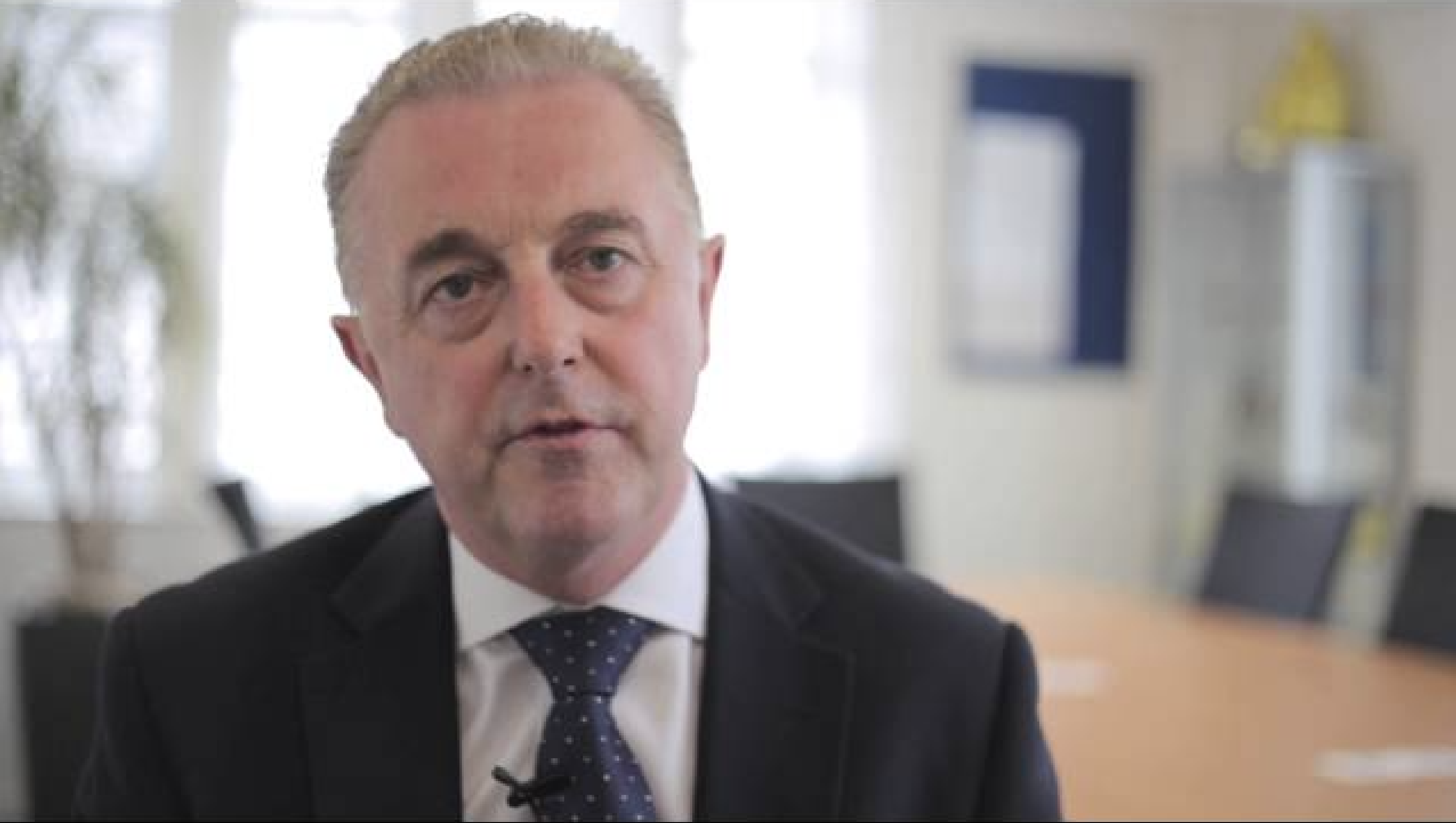
Chris Bielby (pictured), GST Chair, adds: “The Gas Safety Trust is committed to supporting the improved diagnosis and treatment of CO poisoning. We were pleased to be able to convene this group of experts to discuss this important issue and how we improve diagnosis. What is emerging from other research we are funding is that incidents are being missed and that people may be being poisoned at lower levels for extended periods of time without knowing it. I am optimistic that improved biomarkers will ensure those people are identified sooner.”
