In a changing energy landscape, it’s increasingly important that installers understand the intricacies of effective heat loss calculations when designing and installing efficient heating systems. Here, Ian Trott, training manager at Baxi, discusses how heat loss calculations can help heating engineers to select the right sized heating source to balance comfort and energy usage irrespective of technology.
In recent years, and particularly over the past 12 months, energy efficiency has become a priority for governments, businesses, and private households. As such, the role of an installer has had to change to provide expert guidance as standard alongside installation of a heat pump or boiler.
This shift is reflective of a changing energy industry and is a chance for installers to position themselves as experts who are well equipped to provide technical guidance to customers. No matter the appliance being installed, installers now have a responsibility to promote efficiency at every possible opportunity as the race to net zero intensifies. Installers no longer solely fit appliances, but are increasingly being called upon as energy consultants who can recommend efficient solutions based on household requirements legislative drivers. At the heart of delivering this advice is a solid understanding of heat loss calculations.
Critical calculations
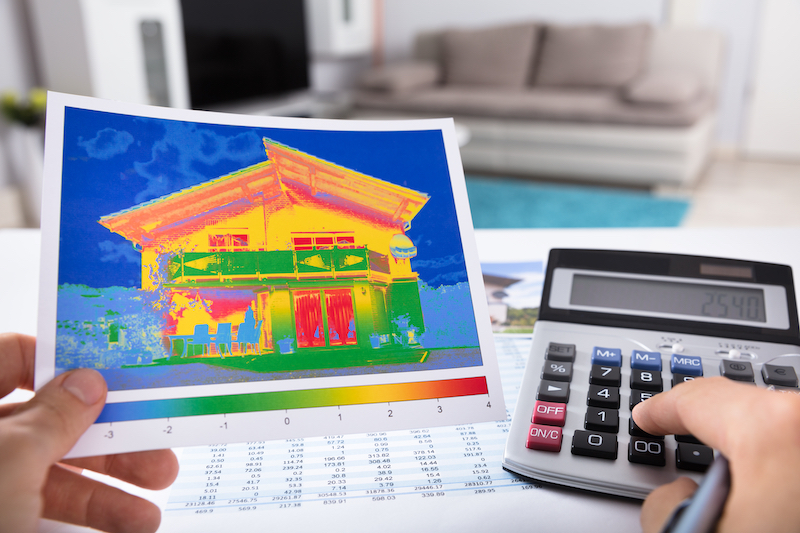
Put very simply, heat loss calculations measure the amount of energy needed to overcome the heat lost through the fabric of the building, allowing the installer to recommend the most efficient solution for the given property.
Part L of the Building Regulations states that heat loss estimates must be incorporated into every heating installation. While installers must follow this guidance to be in line with industry standards, it also allows them to recommend a heating solution that achieves the correct balance between being powerful enough to meet peak demand and efficient enough to keep costs and emissions low.
One of the potential pitfalls effective heat loss calculations allow installers to avoid is oversizing of the appliance. While it is widely assumed that a larger heating system would operate above expectation in meeting peak demand, a heating system that is too big for a building can prove counterproductive. Excessively sized heating systems use more energy to heat up, producing more energy than necessary for the operating space, thus compromising efficiency and inflating installation and running costs unnecessarily. This is all territory installers will be keen to avoid as they work with their customer to recommend and fit the most suitable option.
Communication remains key
Communication is also key to making clear and accurate calculations. Understanding and anticipating the customer’s heating needs allows installers to anticipate future demand and pre-empt any fluctuations in usage to give an accurate prediction. Installers can further understand the requirements of a heating system by asking customers about any planned alterations to the property such as installing double-glazed windows or turning the attic into a home office.
After this information has been gathered, installers should move on to assessing the building’s overall structure including the size of each individual room. The location, thickness and type of insulation should be considered as well as the number, type and size of all doors and windows including whether they are single, double, or triple-glazed.
Technical tools to help installers
While it is the role of an installer to collate all the initial information required to make the heat loss calculation, helpful online tools make the actual calculation easier. Freely downloadable Microsoft Excel documents are available through the MCS website which only require relevant information input from installers to run the numbers and provide a calculation. Based on these results and using their knowledge of available solutions, installers can make well-founded recommendations as to which heating system components should be upgraded.
Critically, heat loss calculations ensure installers can provide the most effective and efficient heating solution for their customers, saving them money and enhancing the installer’s reputation as a skilled and knowledgeable professional. Whether this is a gas boiler, heat pump, hybrid system, or another heating appliance, with accurate calculations, installers can help customers save money and energy during a time of economic and natural crisis.
Seeking wider support
At first, the large amount of information manually required from installers may feel daunting but plenty of support is available with many manufacturers providing a full range of specialist training courses on this and related subjects. Installers will be able to help customers understand the environmental and financial benefits of this process and why it is a critical part of any heating installation.
By keeping up to date on relevant legislation, training opportunities, and available help and support, installers will be in a better position to take advantage of the many benefits of carrying out heating consultancy.
Visit Baxi’s website to find out more about heat loss calculations and Baxi’s expanding range of installer training courses at www.baxi.co.uk/training.