
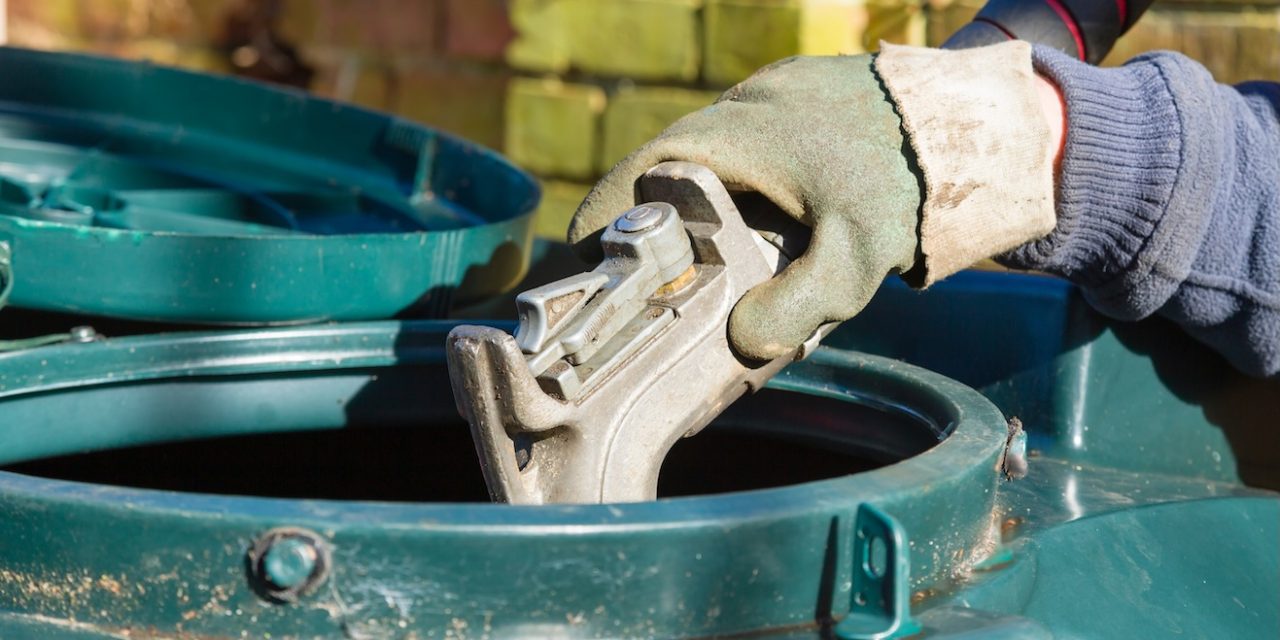
More than £50 million has been allocated by the government to help low-income households struggling with rising heating oil costs.
The funding is aimed at families, particularly in rural areas, who rely on heating oil and are not covered by the energy price cap that applies to gas and electricity customers in Great Britain.
Kerosene prices have been especially affected by the conflict in the Middle East and are currently double the level of crude oil, contributing to significant increases in household bills. Many households must pay upfront lump sums to refill their tanks in order to maintain heating and hot water.
Chancellor Rachel Reeves says:
“Heating oil prices have spiked sharply, and I know that for families in rural communities that is a real and urgent problem. That’s why we’re putting over £50 million of support to help the people who need it most, including funding for the Northern Ireland Executive to deliver support in Northern Ireland where this issue hits hardest.”
Energy Secretary Ed Miliband adds:
“This government is committed to fighting people’s corner in tackling cost of living pressures. With this investment, alongside new measures to protect customers against any unfair practices, we are standing up for the British people.”
Funding will be distributed across the UK based on census data and levels of reliance on heating oil. England will receive £27 million, Northern Ireland £17 million, Scotland £4.6 million and Wales £3.8 million. In England, support will be delivered by local authorities through the Crisis and Resilience Fund, which begins on 1 April.
The government has also confirmed plans to strengthen consumer protections in the heating oil market, which is not regulated by Ofgem. Measures include an agreement with industry on an enhanced code of practice, plans for stronger safeguards covering dispute resolution and price transparency, and consideration of a new ombudsman or regulator through forthcoming legislation.
Officials say they are working with the Competition and Markets Authority, which is examining reports of pricing concerns, and are urging consumers to report evidence of unfair practices.
