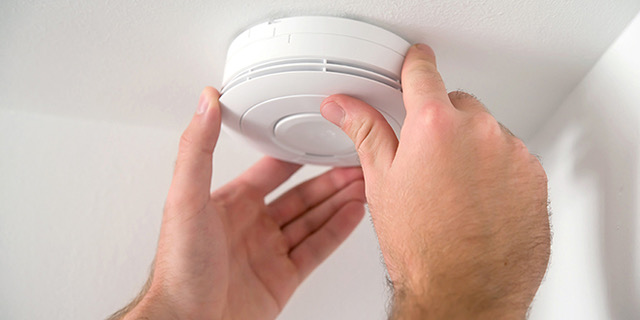
Heating engineers are being encouraged to check carbon monoxide alarms and reinforce household safety advice during this year’s CO Awareness Week, which runs from 23 to 29 November.
The Heating and Hotwater Industry Council (HHIC) is supporting the campaign, which carries the strapline ‘How Safe is Your Nest?’, by highlighting the role installers can play in preventing carbon monoxide (CO) poisoning.
Carbon monoxide is produced when fuels such as gas, oil, coal and wood do not burn completely. The gas is colourless, odourless and tasteless, making detection difficult without a suitable alarm.
However, alarms alone cannot prevent exposure. Correct appliance installation, regular servicing and properly maintained flues and ventilation are also essential, according to the HHIC.
The council is urging engineers to familiarise themselves with CO alarm legislation across the UK, as requirements differ between England, Wales, Scotland and Northern Ireland.
In England, landlords must provide alarms in rooms containing fixed combustion appliances, except gas cookers. Welsh requirements also cover rooms containing cookers and certain rooms through which a flue passes.
In Scotland, alarms are required where new or replacement fixed combustion appliances are installed, excluding cookers, and in rooms through which a flue passes. Northern Ireland’s requirements apply to rooms containing new or replacement combustion appliances, except those used solely for cooking.
The HHIC also recommends that householders choose alarms certified to BS EN 50291-1:2018 and follow manufacturers’ instructions on positioning. Alarms should be tested regularly, ideally once a month, and replaced when they reach the end of their working life.
Stewart Clements, director of the HHIC, says:
“A working CO alarm provides an important additional layer of protection, but prevention starts with making sure appliances are installed and maintained correctly.”
The council advises that fuel-burning appliances should be serviced annually by appropriately qualified professionals, with checks carried out on the appliance, flues and ventilation.
To help engineers understand the differences in national requirements, the HHIC has produced a guide covering CO alarm legislation, standards and installation requirements across the four UK nations.
The guide, Carbon Monoxide Detectors: A quick guide to variations in requirements across the UK nations, is available from the HHIC website.
Practical advice for installers and householders
To support CO Awareness Week, HHIC is encouraging heating engineers to reinforce the following messages with customers:
Understand the requirements: Be familiar with the CO alarm legislation in the relevant UK nation and the requirements for different property types.
Choose the right alarm: Look for alarms certified to BS EN 50291-1:2018 and follow the manufacturer’s guidance on positioning.
Test regularly: Encourage householders to test alarms monthly using the test button and to check expiry dates.
Service appliances annually: Ensure fuel-burning appliances are serviced by appropriately qualified professionals.
Check flues and ventilation: Make sure these are correctly installed, maintained and unobstructed.
Give clear advice: Use installation and servicing visits as an opportunity to explain alarm requirements and answer customers’ questions.