New legislation in the EU will improve quality standards for drinking water, tightening the maximum limits for certain pollutants such as lead and harmful bacteria. In doing so, it will also set minimum hygiene requirements for materials in contact with water, such as pipes or taps, to avoid contamination. Here Natalie Morris, technical sales manager for Geberit, explores how the changes might impact UK installers.
The European Commission recently updated the 1998 Drinking Water Directive (DWD) as part of its commitment to safeguarding water quality, introducing stricter standards for all materials that come into contact with drinking water. Acceptable levels of lead, for example, have been halved from the current maximum of 10 µg/L at the tap to 5 µg/L.
As part of the changes, an ‘EU Positive List’ will come into force from December 2026, which mandates hygiene requirements for water-contact materials like pipes and fittings. The list specifies that these materials must demonstrate a maximum of 0.1% weight/weight for lead in lead-containing alloys such as copper, brass, bronze and gunmetal.
New products will be required to comply with the list from December 2026 and a transition period runs until the end of 2032. New hallmarks will also be introduced, which specifically address drinking water requirements, and are expected to reach the market in 2028.
After similar legislation in Australia and now the EU, it is only a matter of time before the UK follows suit. For contractors working on commercial developments, where project design schedules are measured in years or decades and drinking water systems installed at scale, it raises an important question: Could this be the beginning of the end for copper fittings in water drinking systems?
Why lead is under scrutiny
Lead has long been used within plumbing components, particularly in brass and some copper fittings, where it improves machinability during manufacturing. The amounts involved are relatively small, but growing understanding of the health impacts of lead exposure has prompted the change.
Across Europe, the focus is now shifting from managing lead levels to reducing them wherever practical in products used for drinking water distribution.
Commercial projects are increasingly expected to demonstrate not only regulatory compliance but also resilience against future legislative changes. Buildings such as schools, hospitals, residential towers, offices and public facilities are expected to operate for 30, 40 or even 50 years, and developers are placing greater emphasis on whole-life performance, sustainability and reducing future maintenance costs. Decisions made during construction today could determine whether those systems remain compliant and fit for purpose decades into the future.
Against this backdrop, specifying lead-free drinking water systems in the UK becomes less about responding to current legislation and more about reducing future risk.
Should UK regulations eventually follow a similar path to Europe, buildings already installed with lead-free systems are unlikely to require expensive remedial work or component replacement. Conversely, projects relying on traditional materials could face difficult conversations years after completion if standards evolve.
Installation efficiency
Remember, material selection is rarely based on compliance alone. Contractors continue to balance installation speed, labour availability, reliability and programme pressures on every project.
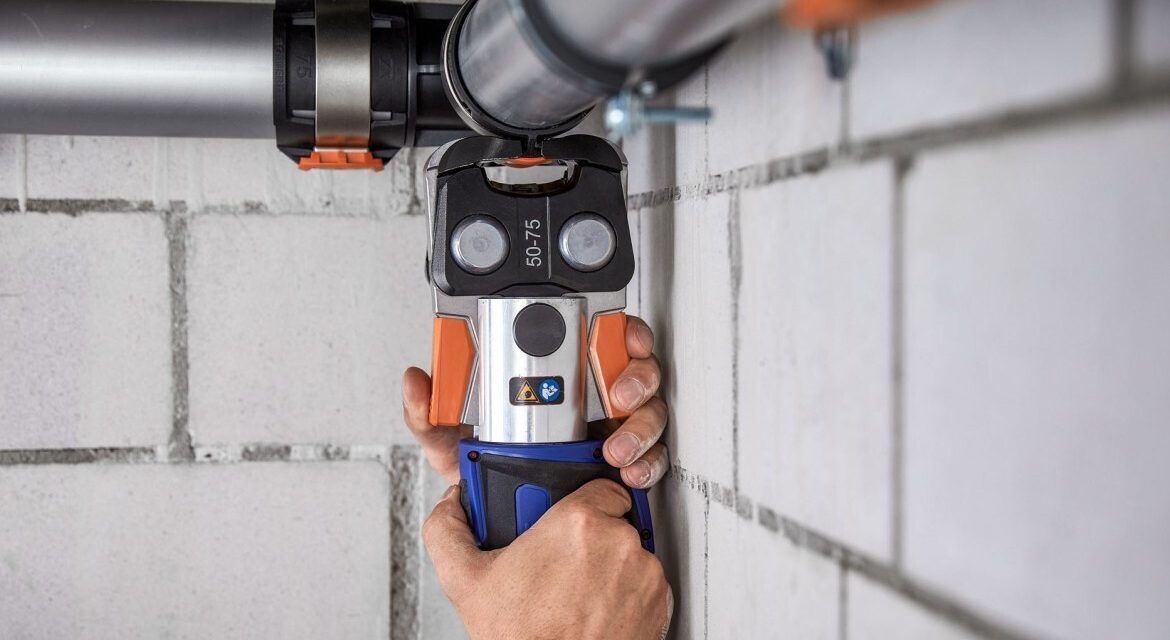
Modern press-fit systems have already transformed commercial installations by removing the need for hot works and drastically cutting installation times. One example is Geberit’s FlowFit piping system, which has been designed specifically for potable water applications using lead-free fittings throughout the system.
As well as addressing future material requirements, the system has also been engineered to simplify installation through optimised pressing technology. This includes only two pressing jaws to cover all dimensions from d16 to d75, eliminating the need for frequent tool changes. Smaller diameters can even be bent by hand, because of the pipe’s multilayer construction.
In fact, a time and motion study carried out by BSRIA in 2025 found that FlowFit installations could be completed up to 274% faster than traditional press-fit systems in certain applications.
Importantly, faster installation does not need to come at the expense of long-term reliability. Systems that combine efficient installation with durable, corrosion-resistant materials offer contractors greater confidence in performance and reliability.
Looking ahead
Of course, there is no suggestion that existing commercial drinking water systems need replacing simply because regulatory requirements are changing elsewhere. Existing installations will continue to operate safely within current UK regulations. However, new projects represent an opportunity to think beyond immediate standards.
With the EU already moving towards lead-free drinking water systems and the construction industry placing increasing emphasis on future-proof specification, contractors can begin making informed material choices today rather than waiting for legislation to force change tomorrow.
For many projects, selecting lead-free systems such as Geberit FlowFit offers one practical way of achieving that objective while also delivering installation efficiencies and supporting long-term confidence in the finished system.
As regulations continue to evolve, future-proofing is becoming less about predicting exactly what comes next and more about selecting solutions that are ready for it when it arrives.
For further information, visit: www.geberit.co.uk