
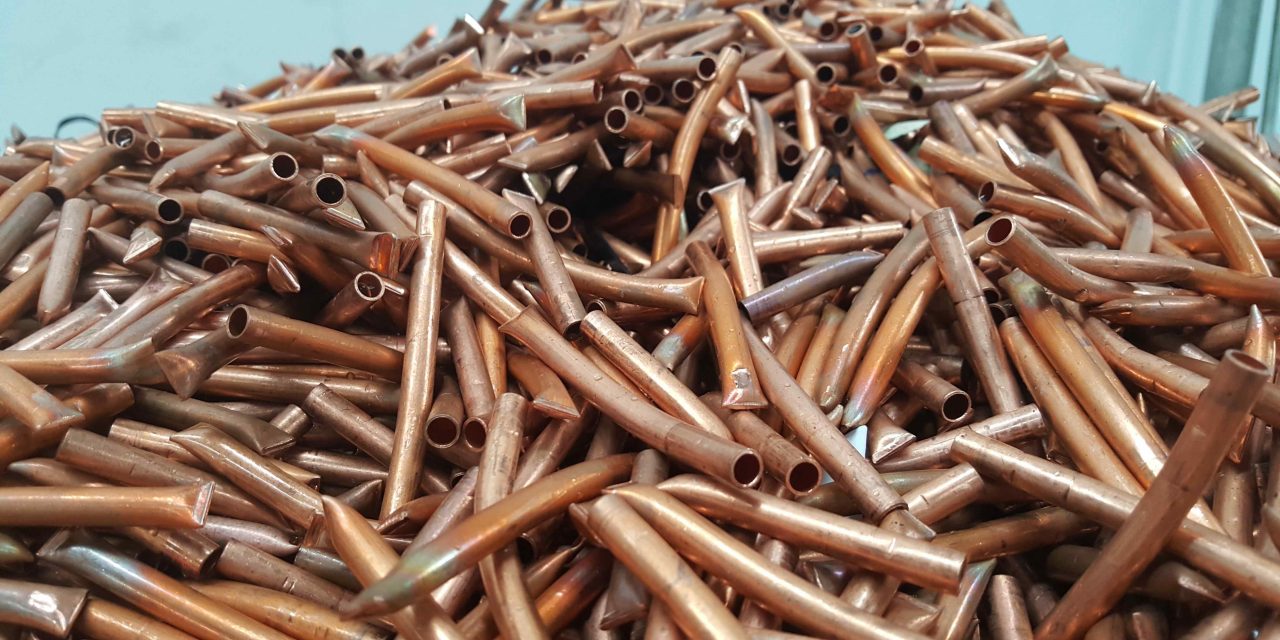
With copper prices remaining high by historical standards, tradespeople often want to keep any remaining scrap metal from completed jobs. However, this can cause friction, with online forums showing customer frustration. As a result, waste management experts at Divert have clarified the rules around scrap metal removal.
Who owns removed scrap copper?
Legally, any copper removed during a job remains the property of the homeowner unless explicitly agreed otherwise. It’s common for many tradespeople to factor scrap metal value into job quotes, but this must be clearly communicated to avoid disputes.
The best approach is to include this up front in writing, agreeing whether scrap materials (and any other waste) will be retained by the contractor or left with the client.
If you are removing any kind of waste from a site as part of your business, you must register as a waste carrier with the Environment Agency or work with a legitimate broker to provide waste removal services. This applies to all kinds of waste, whether that’s construction material or valuable scrap metal like copper pipes.
Tradespeople usually need an upper-tier waste carrier licence, and failure to register can result in fines, prosecution or vehicle seizure.
What about if you sell the copper?
If you plan to sell any scrap metal, additional regulations may apply under the Scrap Metal Dealers Act 2013. You may need a scrap metal dealer’s license if you regularly sell scrap metal or generate an income, and you must be careful to only sell materials to authorised dealers.
What’s the best practice?
-
Communicate clearly and openly with customers about your preference for valuable and other waste.
-
If you do offer to remove any waste, make sure you are registered as a licensed waste carrier or work with a reputable waste management company.
-
Understand if scrap metal rules also apply to you.
-
Keep records of waste handling activities in case of future complaint or investigation.
John Verity, waste management expert at Divert, comments: “Due to the scrap value of copper and other metals, it’s not uncommon for tradespeople to want to hang on to some of a customer’s waste. The scrap metal value can help to offset the costs of waste disposal, and on some occasions, even help to generate a further profit.
“However, if your intention isn’t made clear, this can lead to customer disputes and with success in the trades industries often reliant on word of mouth, agreements must be made in advance. Alongside this, checking you have all the correct licensing or that partners are regulated means you protect yourself, your finances, and your livelihood.”
