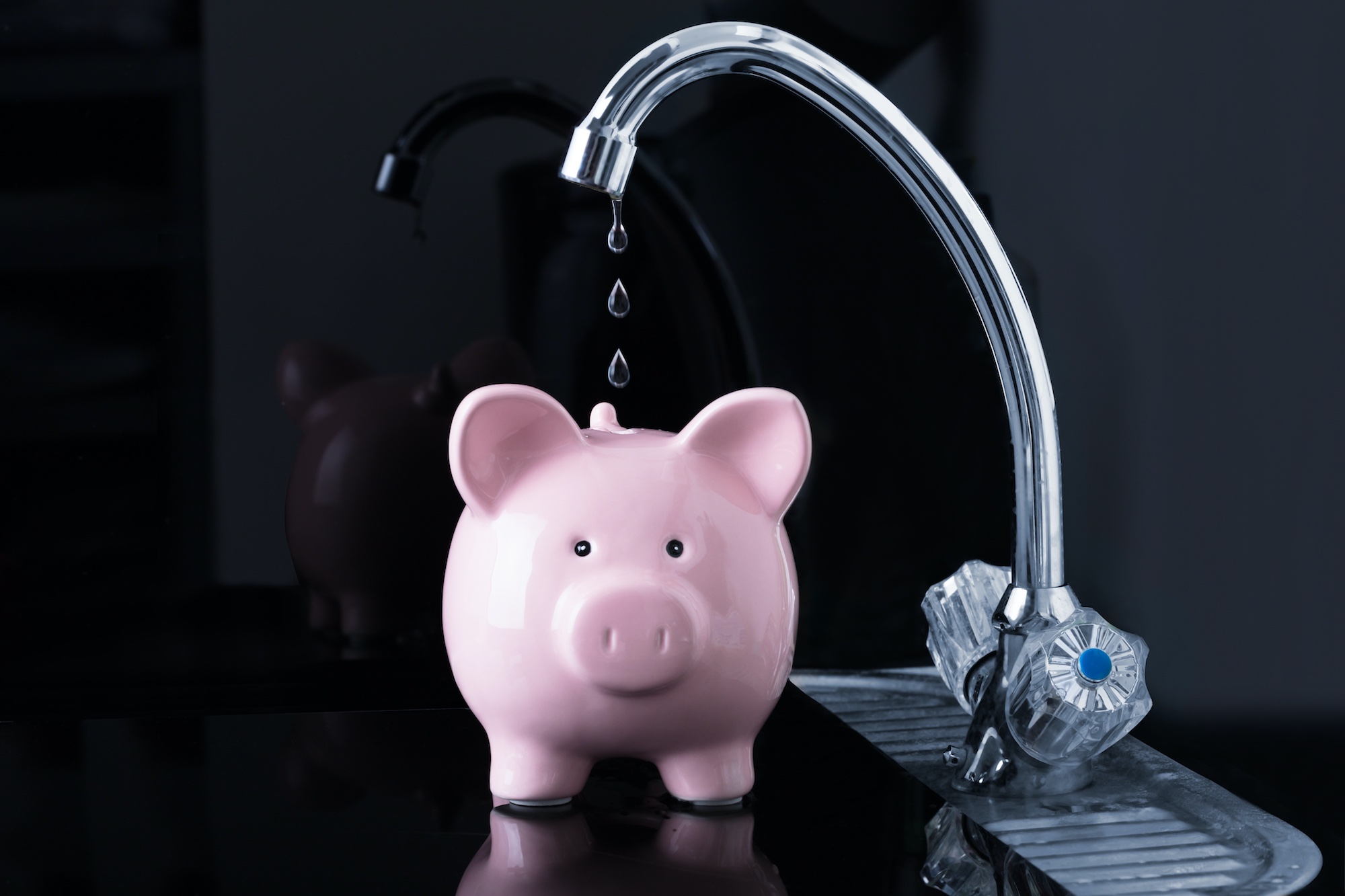
With increasing concern about the need to conserve water, WaterSafehas has issued advice on ways for homeowners to ensure their drinking water stays safe and wholesome at the tap and isn’t wasted through leaks. The UK register of approved drinking water contractors also points out that saving water can also save energy and money on metered bills, helping households dealing with the rising cost of living.
WaterSafe recommends always using an approved contractor, who provides the relevant services for any plumbing work, and who should be able to make one or more of the following checks:
- Check for leaks on internal pipes and fittings, such as taps and toilets. A dripping tap could be wasting up to 5,500 litres a year.
- Check for leaks on the water supply pipe, the underground pipe that carries water to a property from the water main in the street. These can be hard to detect, but signs of a leak can be a higher than usual water bill, loss of pressure or reduced water flow at the cold kitchen tap, or an area of lush vegetation in a garden – even during a dry spell.
- Check for lead pipes – often found in older properties built before 1970, as drinking water supplied in lead pipes can be bad for your health. For more advice on keeping your drinking water safe from lead, visit watersafe.org.uk/lead
- Check that appliances like washing machines and dishwashers are correctly installed to avoid ‘backflow’ contamination.
- Check the location of the internal stop tap, so that supply can be turned off in the event of a leak or for plumbing maintenance work.
Julie Spinks, Director of WaterSafe, comments: “Checking for leaks is more important than ever, to help keep bills down and with water supplies increasingly under strain. Plus, being aware of lead pipes, having correctly installed appliances and knowing where an internal stop tap is will help safeguard a home’s drinking water for years to come.”
For further information, please visit watersafe.org.uk