In the run-up to Gas Safety Week (17-23 September 2018), Logic4training recently distributed a survey, supported by Gas Safe Register, to see how gas engineers use their gas cards and Gas Safe registration. What follows are the results of the survey.
Of the largely male set of respondents (93%), the majority of which were between 45 and 54 years old, most indicated that they work with domestic gas. However, 26% of respondents work in both commercial and domestic gas, serving two different markets at once.
How Gas Engineers Use Their Gas Safe Cards
After last year’s #RegardTheCard campaign – which encouraged engineers to carry their Gas Safe Cards on them after shocking stats showed that the vast majority of installers don’t get asked for their credentials when being employed to work on a gas appliance – Logic4training investigated how engineers use their Gas Safe registration proactively.
Survey results showed that registered gas engineers are most likely to show (prospective) customers their Gas Safe registration on their business cards (58%), on their website (41%) and on their company van (35%). Twenty-nine engineers also shared ‘other’ uses that weren’t listed in the original survey options, including ‘at the door’, ‘in our letterhead’, ‘on invoices’ and ‘on company shirts’.
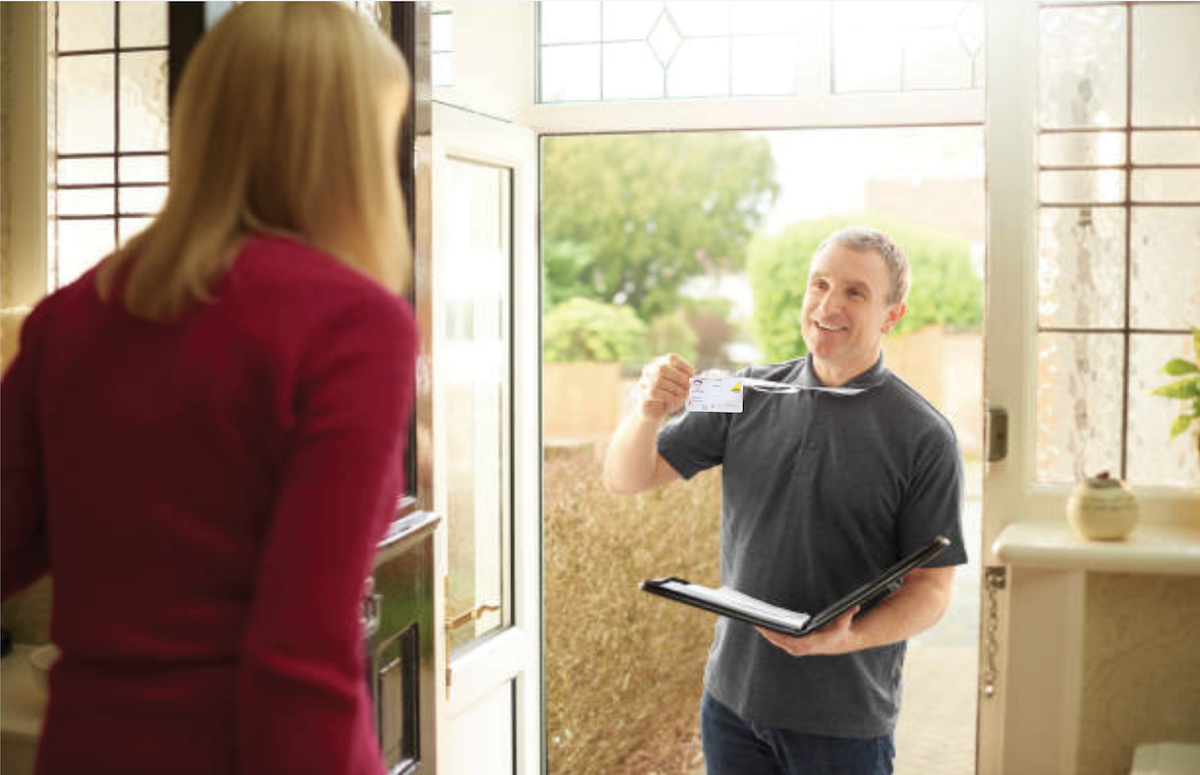
In response to the question ‘When do you show your customers your Gas Safe Card?’, 53% of respondents answered that they show their card upon entering a customer’s house or building. 37% stated that they only show their Gas Safe Card reactively, when a customer asks for it.
How Understandable Is the Gas Safe Card?
When asked whether they think that their customers understand the information on the Gas Safe Card, respondents were divided: 52% answered ‘no’, 48% answered ‘yes’.
Although not all surveyed Gas Safe engineers felt that there were any improvements to be made to make the card more comprehensible, some put forward suggestions such as giving a better explanation of the engineer’s qualifications (e.g. showing domestic and/or commercial gas and a summary of appliances), moving the qualifications section to the front of the card, using larger fonts, including a bigger Gas Safe logo and using more accessible terminology.
One respondent suggested making the card more accessible by including braille for the blind. Another forward-thinking engineer responded:
‘Get manufacturers to have stickers on their appliances and images on their paperwork with a picture of the card to educate consumers. Build in an RFID security device to all gas appliances that can only be unlocked by a gas safe card for activation and servicing. I know I’m dreaming for now…’
A recurring opinion seemed to be that educating consumers on the meaning and importance of the Gas Safe Card is paramount.
The Purpose of the Gas Safe Card
As for their thoughts about the main purpose of the Gas Safe Card, 77% of gas engineers agreed that it helps them prove that they are qualified to carry out the gas job that they’ve been employed to do.

The Importance of Being Gas Safe Registered
Of the 210 gas engineers that were surveyed, the importance of being Gas Safe registered was rated 88 out of 100 (i.e. very important).
The Gas Safe register can rest assured that they have buy-in from the engineers on the ground. Next step? Raising awareness amongst consumers even further.
https://www.logic4training.co.uk/
https://www.logic4training.co.uk/blog/gas/survey-report-are-you-making-the-most-of-your-gas-safe-card/