12 June 2026
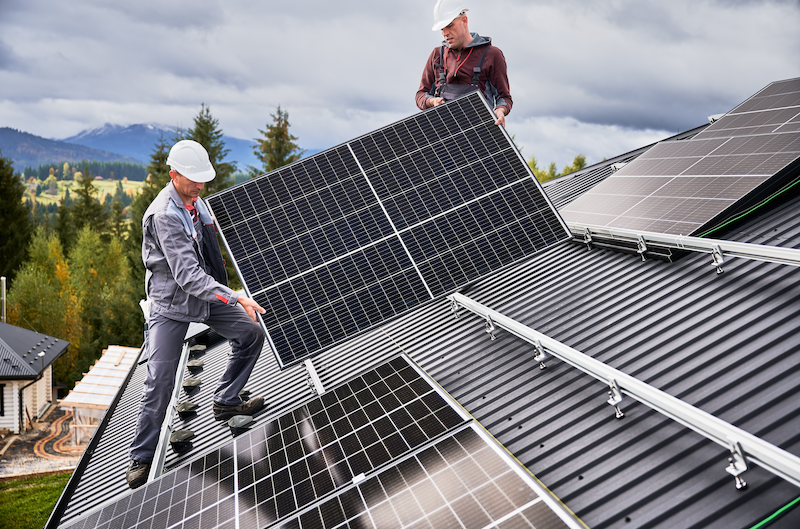
More than half of UK adults are considering installing solar panels as concerns over long-term electricity prices intensify, according to research commissioned by energy supplier Good Energy.
The survey of more than 2,000 people found that 91% of respondents were concerned that geopolitical instability would continue to push electricity prices higher over an extended period. Although 15% of households currently have solar panels, 51% said recent global events had increased their interest in installing them within the next two years.
The findings suggest that households are increasingly viewing solar power as a way to shield themselves from higher costs. Around 38% said solar panels could help reduce bills over the next one to two years, compared with 24% who believed changing energy supplier would provide similar savings.
Good Energy says demand had risen sharply this year. The company reported a 91% increase in solar panel installation sales in February and March, with momentum continuing into the second quarter as domestic customer sales reached record levels. It also said online searches related to solar panels had increased by 104% since January.
The company adds that battery storage systems are being adopted alongside solar panels by a growing number of its customers. Batteries accounted for 78% of combined solar and storage sales in May, up from 62% in January, while standalone battery systems represented more than a quarter of monthly sales in March and April.
Neighbours’ choices have also been shown to influence adoption. Some 39% of respondents said they would be more likely to install home upgrades such as solar panels if others on their street had already done so.
Despite rising interest, 30% of adults surveyed said they lacked confidence in how solar panels work.
Good Energy MD Carl Hogg says:
“In the current climate, one thing that households are looking for is certainty around their electricity bills.”
“Solar is one of the few ways people can take a bit more control, generate their own power and reduce their exposure to those global shocks.”