
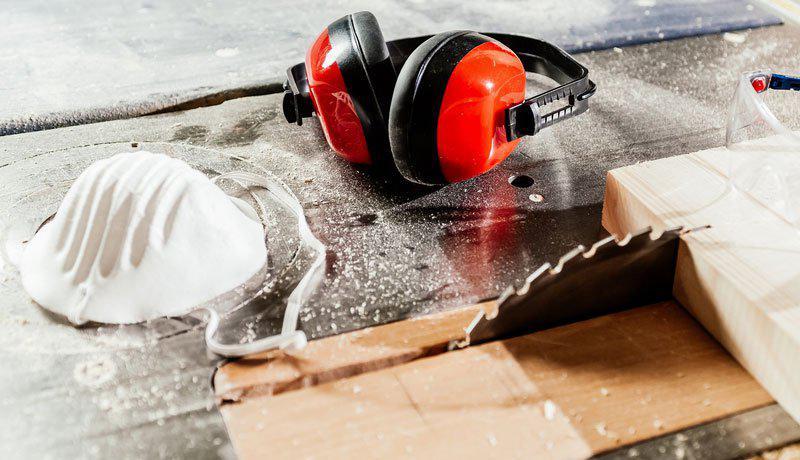
New research highlighted by tradesperson comparison website HaMuch.com into the most dangerous trade professions in Britain has found that plumbers were least likely to be injured at work in non-fatal injuries. The research from Simply Business examined the rates of non-fatal injuries as a percentage of all injuries and ranked the top ten, with tree surgeons topping the list.
|
Most dangerous trades
|
|
|
Tree surgeon
|
|
|
Tiler (roofing)
|
|
|
Scaffolder
|
|
|
Builder
|
|
|
Roofer
|
|
|
Landscape gardener
|
|
|
Plasterer
|
|
|
Electrician
|
|
|
Bricklayer
|
|
|
Plumber
|
Analysis also showed that skilled trades professionals were most at risk of musculoskeletal disorders such as carpal tunnel, tendonitis, and muscle and ligament strain. Those filling administrative and secretarial roles were least likely to develop these disorders.
|
Rates of self-reported musculoskeletal disorders caused by current job (2016-2019)
|
|
|
Occupation
|
As a proportion of all occupations
|
|
Skilled trades occupations
|
20%
|
|
Professional occupations
|
17%
|
|
Caring, leisure and other service occupations
|
12%
|
|
Elementary occupations
|
11%
|
|
Associate professional and technical occupations
|
10%
|
|
Process, plant and machine operatives
|
10%
|
|
Managers, directors and senior officials
|
7%
|
|
Sales and customer service occupations
|
7%
|
|
Administrative and secretarial occupations
|
5%
|
Contact and injury with power tools is the most prevalent cause of accidents amongst the trades, closely followed by the same contact with non-power tools. Electrocution related injuries also ranked high, along with incidents with ladders and misuse of tools.
The data does provide one silver lining however, with skilled trade professionals one of the least likely to suffer from stress, depression and anxiety caused by work, accounting for just 5% as a proportion of all occupations.
|
Rates of self-reported stress, depression, or anxiety caused by current job (2016-2019)
|
|
|
Occupation
|
As a proportion of all occupations
|
|
Professional occupations
|
32%
|
|
Associate professional and technical occupations
|
17%
|
|
Managers, directors and senior officials
|
10%
|
|
Administrative and secretarial occupations
|
10%
|
|
Caring, leisure and other service occupations
|
9%
|
|
Sales and customer service occupations
|
9%
|
|
Elementary occupations
|
6%
|
|
Skilled trades occupations
|
5%
|
|
Process, plant and machine operatives
|
3%
|
