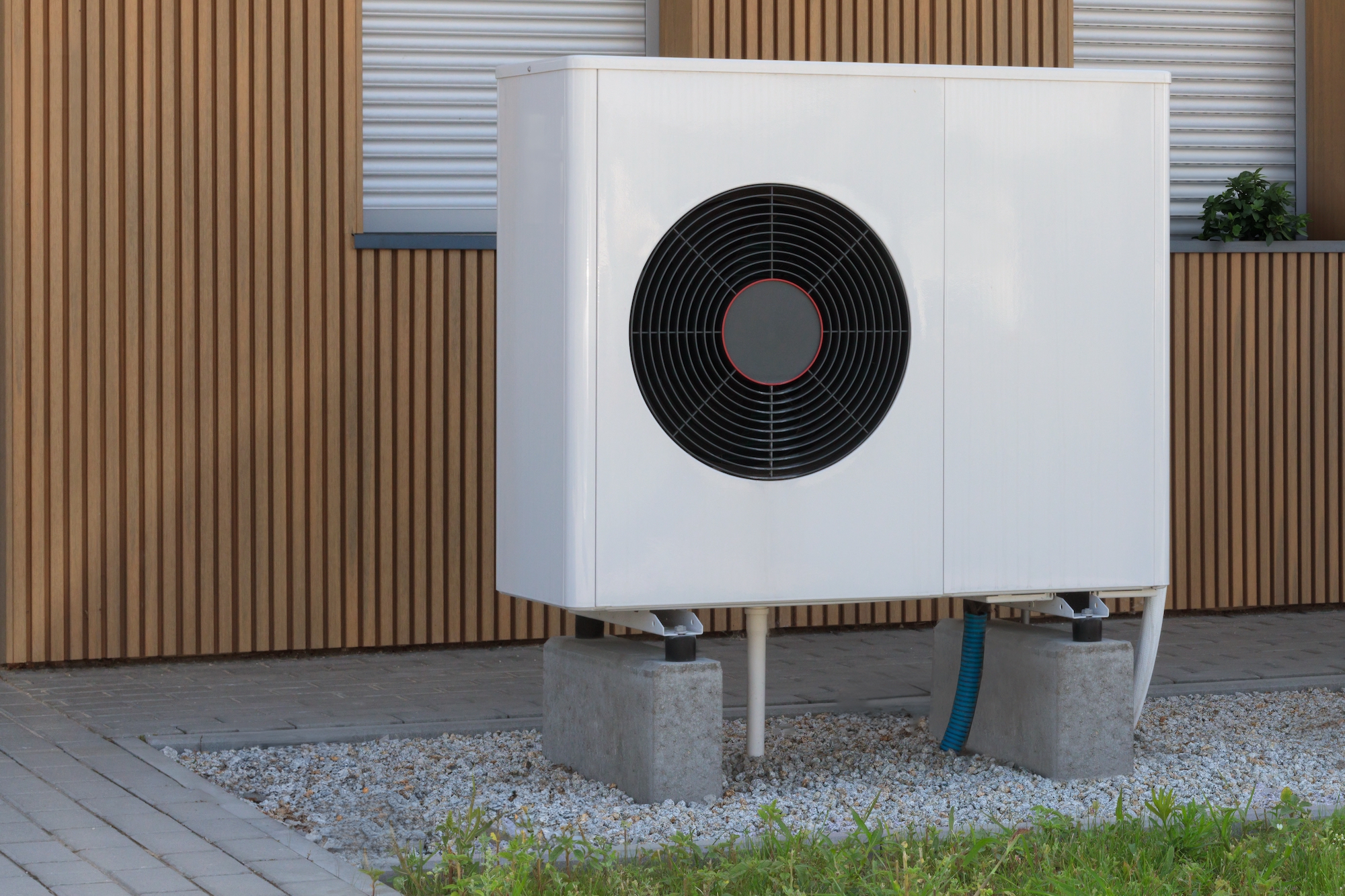
Two new UK Government-backed reports examining heat pump performance have been published, both showing that heat pumps are significantly more energy efficient than fossil fuel systems.
The ‘In-Situ Heat Pump Performance’ report, funded by DESNZ, Renewable Energy Consumer Code (RECC), and the Ground Source Heat Pump Association (GSHPA), assessed data from over 1,700 heat pump installations monitored between 2017 and 2022. It concludes that both ground source (GSHPs) and air source heat pumps (ASHPs) achieve Seasonal Performance Factors (SPFs) well above fossil fuel heating systems, which typically operate with an efficiency of around 0.9 to 0.95.
GSHPs achieved an average SPF of 3.24, rising to 3.31 for the most recent installations in 2022, while achieve an average SPF of 2.65, with nearly 30% of systems performing at SPF 3.0 or higher.
The study concludes that heat pumps, both ground and air source, are essential for achieving the UK’s Net Zero ambitions. GSHPs, while requiring higher initial capital investment, deliver superior long-term efficiency, ensuring lower operating costs and faster payback periods for consumers. At the same time, ASHPs remain a widely accessible and effective solution for reducing carbon emissions and energy bills.
Ken Gordon, CEO of the GSHPA, comments: “This research demonstrates that heat pumps are an exceptional alternative to fossil fuel heating. Both ground and air source systems provide impressive efficiency gains, but the additional upfront investment in GSHPs pays off through significantly higher long-term performance and cost savings. With the right support, heat pumps can drive the energy transition and help consumers cut bills and carbon.”
Electrification of Heat
The ‘Electrification of Heat Demonstration (EoH)’ report, led by Energy Systems Catapult and also funded by DESNZ, explores the feasibility of a large-scale rollout of heat pumps across the UK, primarily focusing on evaluating their suitability for a wide range of homes and capturing customer feedback.
The EoH project monitored 742 heat pump systems installed across a range of dwelling types and ages, providing insights into their effectiveness in different environments. Four different heat pump types were installed, Low Temperature Air Source (LT ASHP) 41%, High Temperature Air Source (HT ASHP) 33%, Ground Source (GSHP) 5%, and Hybrid 20%. The heat pumps were installed in homes with varying Energy Performance Certificate (EPC) ratings from A down to G and at least 50% of the properties involved in the demonstration project had an energy efficiency rating of C or D before the heat pump installation.
The majority of heat pumps performed well, with efficiencies comparable to three times that of modern gas boilers. While even on the coldest days when temperatures fell to as low as -6o, only a marginal decline in system performance was observed. Demonstrating widespread end user satisfaction, 85% of participants in the EoH project had already or, were likely to recommend a heat pump to a friend or family member, citing their reliability, easy-to-use nature, and low levels of noise.
Commenting on the report, Richard Halsey, innovation director at Energy Systems Catapult, says: “The findings are clear – when designed and installed well, heat pumps can be an effective low carbon heating solution, providing good consumer outcomes regardless of the property type or age. It is time to do away with the idea that they do not work in UK homes, this is simply untrue.”
Responding on behalf of the Heat Pump Association, chief executive Charlotte Lee, adds: “The results demonstrate improvements in heat pump performance and highlight their potential as an efficient, effective, scalable solution for decarbonising heat in all property types across the UK. This report demonstrates the ongoing investment in research and development within the sector and reinforces the commitment to driving further advancements to enhance heat pumps’ role in achieving our net-zero ambitions.”
While welcoming the conclusions of both reports, Kensa CEO Tasmin Lishman, has called on the government to address the disparity between current energy costs: “Even with these efficiencies today’s energy prices still mean it’s only slightly cheaper to run a heat pump than a gas boiler in a typical British home. At a time when we need to be weening ourselves off fossil fuels, it doesn’t make sense that electricity is still four times the price of gas. It’s critical the government acts now to remove the levies artificially pushing up the price of electricity.
“Combine the continually improving efficiencies of heat pumps with lower power prices, and we’ll see the significant real-world savings consumers can make by switching to low-carbon heating.”
For a copy of both reports, please visit:
In-Situ Heat Pump Performance report: https://gshp.org.uk/wp-content/uploads/2024/12/In-Situ-Heat-Pump-Performance-Analysis-of-Ofgem-Data-2017%E2%80%932022-1.pdf
Electrification of Heat Report: https://es.catapult.org.uk/report/electrification-of-heat-summary-reports-and-datasets/