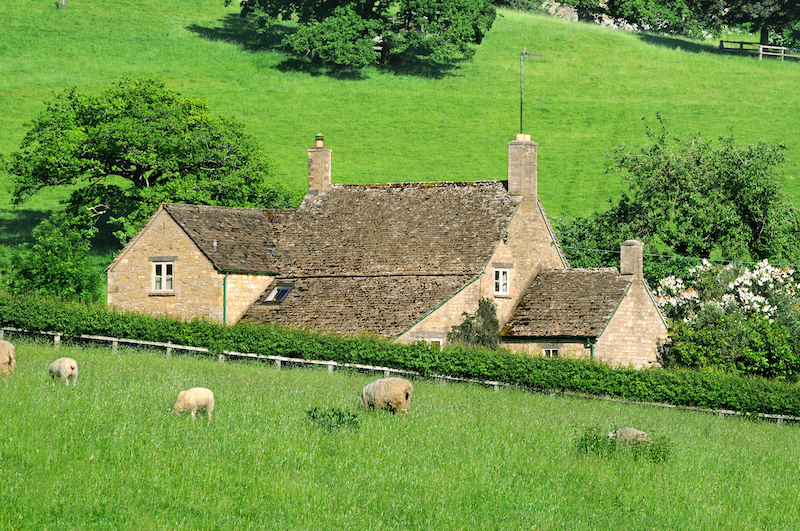
The government’s proposed 2026 boiler ban poses a risk of fuel poverty for almost three-quarters of off-gas grid rural homeowners, with 69% of households unable to afford a new electric heating system.
According to a new rural poll conducted by Liquid Gas UK, 58% of homeowners who are not connected to the mains gas network feel that the proposed 2026 fossil fuel boiler ban is unfair when compared to the much later 2035 government ambition to phase out fossil fuels for those on the gas grid. Almost 60% of those polled said that the government should abandon the policy.
Under the proposed government plan, by 2026 homes using oil, LPG or solid fuel heating systems would not be able to replace their heating system like-for-like if it breaks down. Replacing existing systems with an electric alternative, such as a heat pump, along with necessary energy efficiency retrofitting, is estimated to cost between £15,000-£30,000 for rural homeowners.
Fuel poverty statistics released by government in February showed that households in rural areas were almost 40% more likely to be in fuel poverty than their urban counterparts. The data also showed that for rural residents off the gas grid, over 20% are fuel poor compared to 12% on the gas grid.
George Webb, Liquid Gas UK CEO, comments: “Government’s current strategy risks pushing more rural households into fuel poverty. These survey results clearly indicate that an electrification-first approach to decarbonising rural homes is both unaffordable and unfair. Government urgently needs to re-think its 2026 boiler ban for homes not connected to the gas grid and ensure we’re offering rural communities a choice in how they decarbonise, and ultimately, heat their homes.”
“As an alternative to electric technologies, government should consider the benefits of renewable liquid gases, which are a low carbon and drop-in alternative to LPG, in a mixed energy approach
“The industry is investing £600m into the domestic production of renewable liquid gases through a range of sustainable feedstocks, with a credible pathway in place to achieve net zero by 2040
“Renewable liquid gases offer rural homeowners greater choice and reduce the risk of financial burdens in the path to decarbonisation.”
Image by jcstudio</a> on Freepik