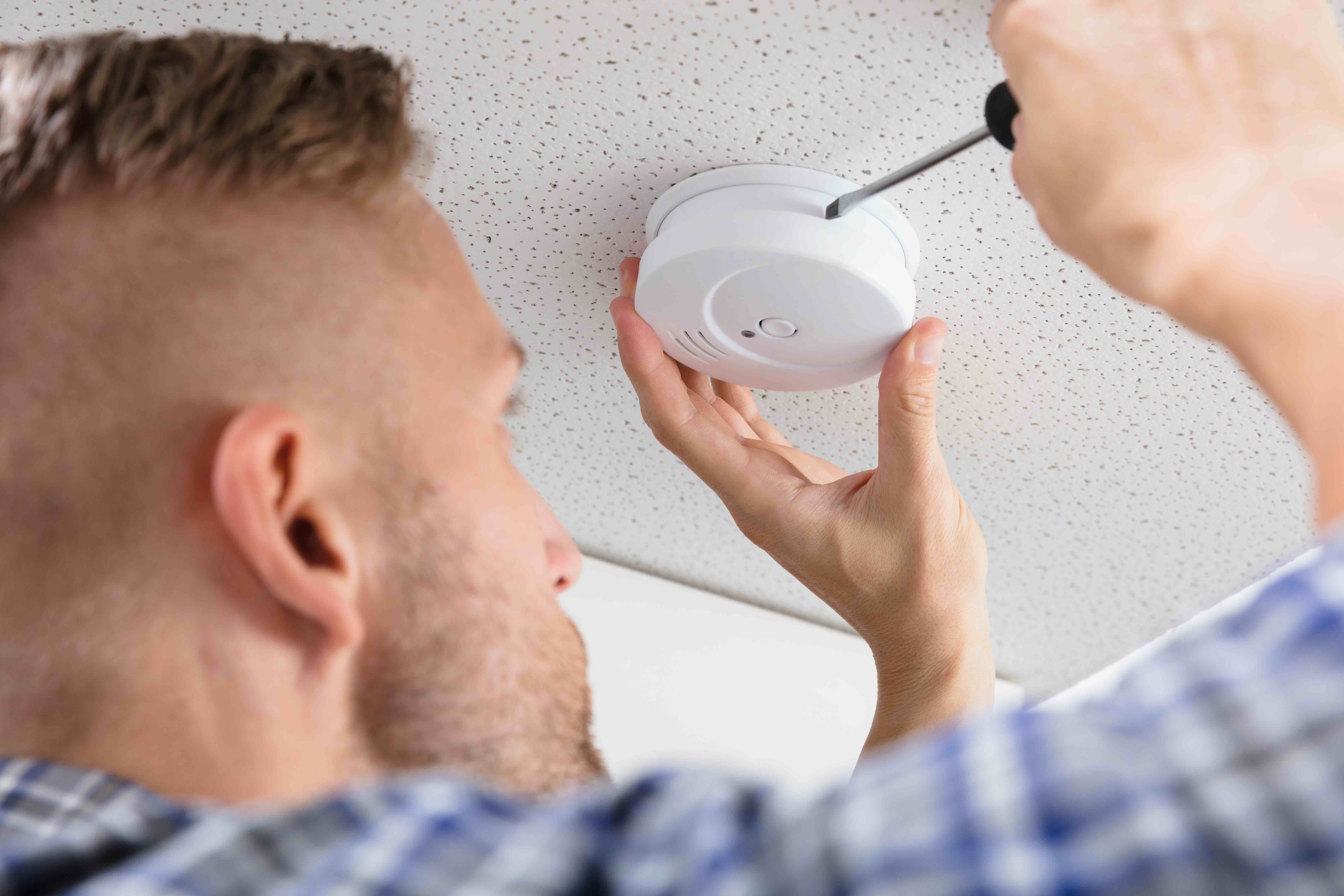
New research has found that despite 98% of wood burning stove owners having a CO alarm fitted, close to one in ten have either never tested it, they can’t remember, or it has been over a year since they last checked that the alarm works.
The findings have been released by HETAS, during CO Awareness Week (18 – 24th November) follow growing concern across the solid fuel and energy industry of the rising sale of counterfeit Carbon Monoxide alarms. Sources such as consumer champion, Which? tested over 1,000 unbranded CO alarms, sold in the UK mainly through ecommerce sites, which fail to detect the gas and sound the alarm under British Standard CO detection tests. Further tests by Which? found that some of these alarms work on the first CO detection test but then develop critical faults.
Alan Young, HETAS compliance manager, comments: “Counterfeit CO alarms are non-certified, not fit for purpose, and are a cause of growing concern for consumer safety. It is an ongoing problem which consumers need to be aware of. To ensure your CO alarm is genuine and certified, ensure to purchase it from a trusted, reputable and well-known retailer. Check that it carries the correct CE and UKCA marks – as often the design proportions are wrong on the back of the alarm – and that it mentions (BS) EN 50291-1 or CO reaction thresholds.”
Bruce Allen, CEO of HETAS, adds: “If a wood burning stove is not properly installed, maintained or ventilated then CO can build up in the home or wherever the appliance is being used. So, using a trained and registered installer who meets appropriate standards is key for your safety, as is having a cleaner choice stove which burns at least 50% less particulate emissions than current requirements in UK Smoke Control Areas.”
For more information on HETAS, visit hetas.co.uk.