Plumbers and other skilled tradespeople are among the least likely to lose their jobs to artificial intelligence, according to Geoffrey Hinton, the scientist often called the Godfather of AI. Hinton, who shared a Nobel Prize in Physics in 2024 for his role in developing neural networks, has warned that most intellectual and office-based roles could eventually be performed more efficiently by machines, raising the risk of widespread unemployment.
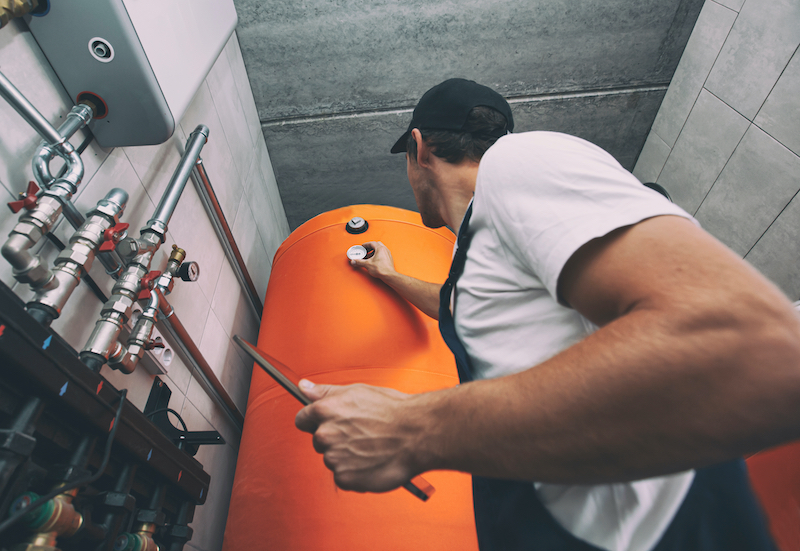
Speaking on the ‘Diary of a CEO’ podcast, Hinton said that while AI is poised to surpass humans at many cognitive tasks, there are still areas where technology lags far behind, particularly when it comes to complex physical work. “I’d say it’s going to be a long time before it’s as good at physical manipulation. So a good bet would be to be a plumber,” he explained, highlighting that jobs requiring manual skills and adaptability are likely to remain secure for years to come.
Hinton’s comments come amid growing concerns about the impact of AI on the workplace, as automation is already transforming industries that rely heavily on routine intellectual labour. He pointed out that professions such as paralegals and call centre workers are particularly vulnerable to automation, as AI tools are increasingly able to handle tasks that once required human judgement and communication.
While some sectors, such as healthcare, may remain resilient due to ongoing demand for human workers, Hinton believes that most industries will not be as fortunate. He warned that in many jobs, a single employee using AI assistance may soon be able to do the work of several people, potentially leading to significant job losses.
He also addressed the social consequences of mass job displacement, arguing that even with policies such as universal basic income, people could struggle with a loss of meaning and purpose if traditional employment opportunities disappear. Although some commentators believe that AI will mostly assist rather than replace workers, Hinton cautioned that the technology’s ability to rapidly increase efficiency could nonetheless result in fewer roles overall.
For now, Hinton’s advice is to go for careers that demand hands-on skill, adaptability and judgement, like plumbing, because these traits are difficult for machines to replicate and are likely to be the most resilient as AI continues to advance.