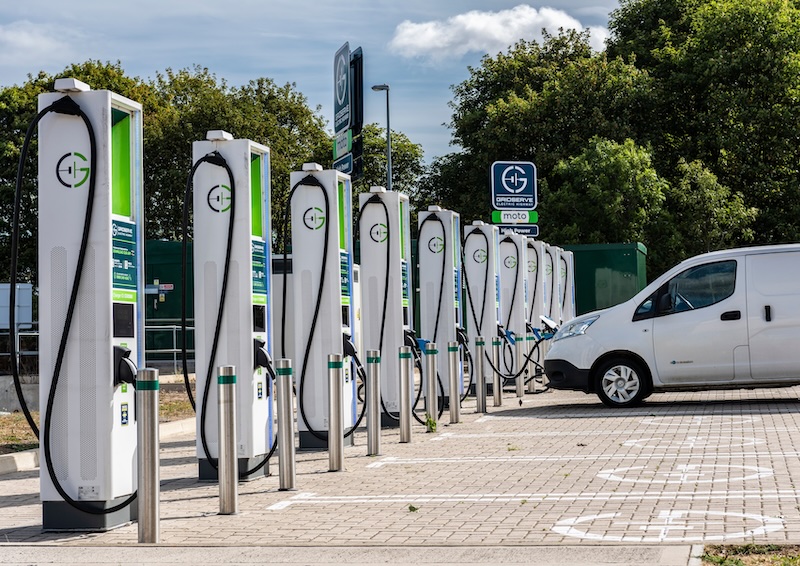
Almost a third of van-reliant UK small businesses have already introduced electric vehicles into their operations, but concerns over driving range and upfront costs are continuing to slow adoption, according to new research.
A survey of 500 SMEs and sole traders that rely on vans for work found that 30% are already using electric vans, while a further 58% of those yet to switch are considering making the move within the next five years.
The research, carried out by temporary business van insurance provider Tempcover, found range anxiety was the biggest barrier among businesses that have not yet transitioned, with 39% citing concerns over how far electric vans can travel on a single charge.
Other key challenges included the upfront cost of purchasing electric vans (29%) and concerns over charging infrastructure (28%). Despite these concerns, the findings suggest many smaller businesses expect the wider shift towards electrification to influence future fleet decisions, with 63% of respondents yet to switch, saying upcoming policy changes and developments in vehicle manufacturing will shape their choices.
Claire Wills-McKissick, temporary business van insurance expert at Tempcover, says:
“The transition to electric vans is a process that requires careful planning. This is particularly significant for small businesses, where upgrading a fleet is often a major investment. The data shows that around a third have already integrated electric vehicles into their setups, whilst others are taking time to assess what works best for their day-to-day operations.”
The survey found that 27% of businesses planning to switch expect to do so within the next 12 months, while 31% are considering making the move within one to five years.
Among those yet to adopt electric vans, 55% said they do not believe current models are suited to the specific demands of their business, while 70% expressed concerns about reliability for high-mileage or long-distance work. However, the findings suggest peer behaviour could also influence adoption, with 56% saying they would consider switching if competitors made the move first.
More than half (52%) of businesses surveyed also said they do not feel sufficiently informed to make a final decision on switching, highlighting a continuing knowledge gap around electric van suitability and costs.
|
Barriers to Electric Van Adoption
|
Respondents
|
|
Concerns about the driving range on a single charge
|
39%
|
|
High upfront purchase cost of electric vans
|
29%
|
|
Lack of suitable charging infrastructure (public or at depot/home)
|
28%
|
|
Uncertainty around resale value
|
18%
|
|
Concerns about reliability or performance
|
16%
|
|
Charging time is too slow/operational downtime
|
14%
|
|
Higher insurance costs for electric vans
|
11%
|
|
Lack of suitable electric van models for my business needs
|
11%
|
|
Electricity costs/uncertainty around running costs
|
9%
|
|
Limited government grants or financial support
|
6%
|
|
Difficulty installing the charging at business premises
|
5%
|