The UK’s energy transition is accelerating, and installers who embrace solar PV, battery storage and heat pumps will be best placed to lead it. Here’s why this ‘Golden Triangle’ is shaping the future of renewables, according to Segen’s Christofer Fisher.
The need for renewable energy has never been greater. With the UK aiming for net zero carbon emissions by 2050, reducing reliance on fossil fuels is becoming increasingly urgent. This shift isn’t just policy-driven; homeowners and businesses are taking control of their energy use, cutting costs while shrinking their carbon footprint.
For installers, this creates a major opportunity. Demand for solar systems, BESS and heat pumps continues to rise, increasing the need for skilled professionals to design, install and maintain them. Together, these technologies form the ‘Golden Triangle’ – a fully integrated, sustainable and cost-effective solution. Installers able to deliver all three gain a strong competitive edge and are well positioned for a fast-growing market.
The Golden Triangle
One of the most compelling reasons for installers to embrace the Golden Triangle is the powerful synergy between three core technologies. When combined, solar PV, BESS and heat pumps offer a level of energy efficiency and independence that each technology on its own cannot match.
This synergy begins with onsite solar, which generates clean, renewable electricity during daylight hours. However, solar energy production is intermittent and peak generation doesn’t always align with periods of highest demand. This can lead to energy being wasted if it is not stored.
By pairing solar PV with a battery, excess energy produced during the day can be stored for use later, for example when the price of grid electricity is higher, or at night. Using stored energy at night allows system owners to increase their solar self-consumption rate, which directly contributes to a shorter return on investment (ROI) period.
Stored energy can also be used to power equipment and processes, including heat pumps. Heat pumps offer a highly efficient heating solution compared to traditional technologies because they move heat rather than generate it through combustion or resistive electric heating. This allows them to deliver more heat energy than the electricity they consume. When powered by solar, the financial and environmental benefits of heat pumps are amplified, as the energy consumed is clean and low cost.
Heat pumps can operate directly from solar, but only while the system is generating. Without storage, they can’t run at night or on cloudy days without tapping the grid. Adding a battery closes the loop, allowing longer, more efficient operation.
The UK government has made renewable energy central to its plans for a sustainable future. Alongside schemes like the Boiler Upgrade Scheme, it has also announced upcoming grants and loans for homeowners installing solar PV, though no official launch date has been confirmed.
Government incentives are creating major opportunities for installers as demand for renewables grows. Those offering installation, advice and maintenance across solar PV, BESS and heat pumps will stand out as customers seek integrated, whole-home solutions. Understanding how these systems work together boosts customer value, improves ROI and future-proofs energy use. Expanding skills across all three also smooths seasonal demand, with solar busier in summer and heat pumps in winter, helping installers maintain stable, year-round work and income.
New generation
While the Golden Triangle offers significant advantages, it also presents its share of challenges. Many installers specialise in a single technology, which can make it difficult to branch out into new areas. For example, gas boiler installers may face challenges when transitioning to heat pump installations, as these require new skills like precise heat loss calculations and system sizing, which are not typically needed in gas systems.
Similarly, solar installers moving into battery storage must navigate the complexities of integrating these systems. Effective battery storage requires a strong understanding of electrical grid dynamics and load balancing. For those primarily trained in solar installations, adapting to these additional requirements can take time and effort.
The solution to these challenges lies in effective training. Practical experience is essential to help installers build the skills and confidence they need to diversify their skillset. Supportive, hands-on workshops focused on renewable energy installations offer a valuable learning environment, allowing installers to gain real-world experience without the pressure and risks associated with learning on active job sites.
Learning opportunity
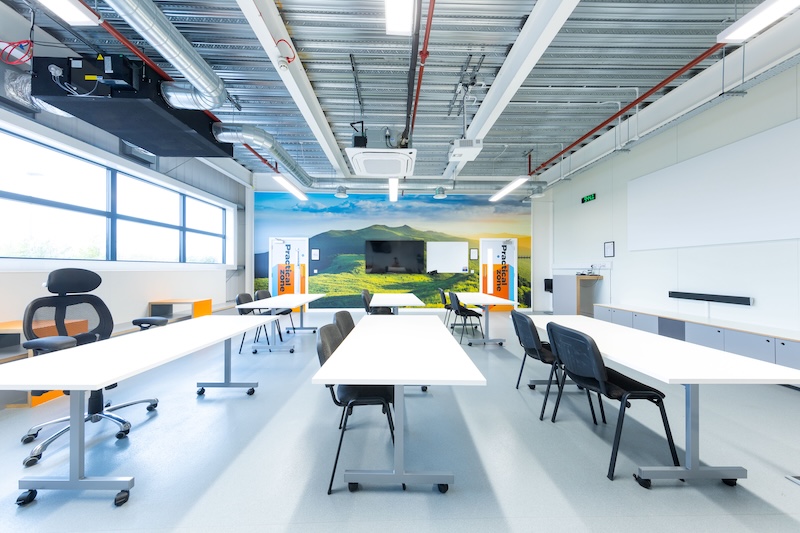
This approach guided the development of the Segen Academy, a dedicated training facility located in Medway, Rochester. The Academy’s curriculum has been developed based on comprehensive research and feedback from the installer community, alongside guidance from key industry organisations including MCS and regional public sector education provider, the New City Trade Skills College.
On offer are LCL accredited courses that provide valuable learning opportunities in areas like heat pump sizing, energy storage integration, and mastering solar installations. The courses are designed both for existing renewables installers looking to expand their expertise and for professionals from other technical fields seeking to transition into the rapidly growing renewables sector. Ultimately, the Academy aims to cultivate a new generation of multidisciplinary renewable energy installers, guided by the mentorship of experienced industry professionals.
Installers can also build stronger, more resilient businesses. Offering solar PV, BESS and heat pumps helps smooth seasonal workflows and maintain steady revenue year-round. By embracing the Golden Triangle and committing to ongoing training, installers can ensure they future-proof their business and stay ahead of the competition.