Ian Hughes, approval manager at WRAS, shares why some water saving devices may be doing the exact opposite
During a cost-of-living and climate crisis reducing water waste has never been as important, we need to do everything we can to save water and therefore money. As industry professionals, it falls on us to help our clients and customer understand how to save water using water efficient fittings – but sometimes despite our best efforts, fittings can still end up accidentally wasting water.
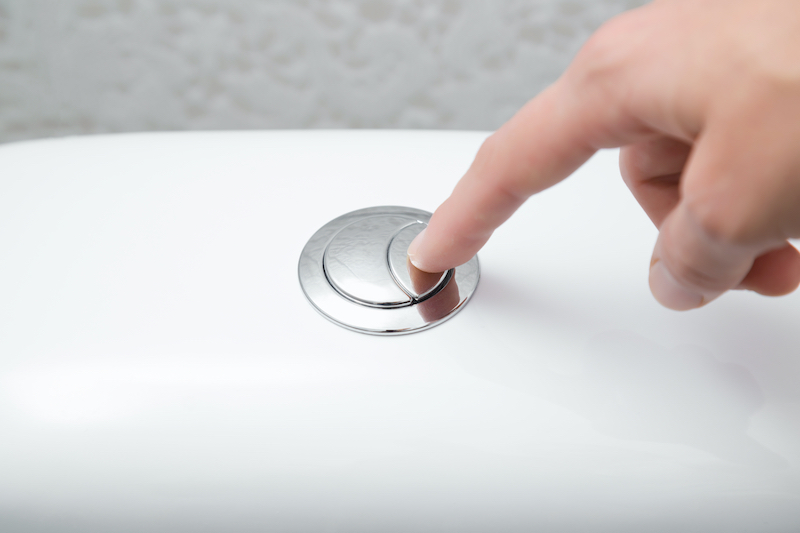
One seemingly simple device designed to save water, is the dual flush toilet system. Designed with two buttons, dual flushes enable users to choose a shorter or longer flush depending on need. By choosing the smaller button, households and businesses can save around two litres of water with every flush. However, confusing designs and inappropriate labelling mean that for many the system becomes ineffective, ultimately selecting the wrong button and unwittingly wasting water.
A WRAS survey of 2000 participants found that up to 81% of people could not identify the short flush button correctly when presented with an image of various designs of dual flush buttons. Even the best understood design displayed caused confusion for 8% of people.
Without a uniformed approach to the design of dual flush systems, manufacturers are free to choose a style that suits them over the consumer, with some manufacturers using designs that integrate the large button with a small flush. In our survey, the button designs we found most effective were those that have clear, permanent markings to help people identify the short flush, with the bigger button at least 1 ½ times bigger to receive around 90% recognition.
The big flush on a dual flush toilet uses a maximum of six litres of water and the small flush must not exceed two thirds of this volume. That gives a potential saving of up to 2 litres per small flush. But – this water can only be saved if users know how to operate the small flush. Manufacturers should be making it easy for users to use the small flush.
It’s not just in the buttons that manufacturers need to pay attention, toilets need maintenance when inlet valves and flush valves can become faulty and leak. This causes water overflow into the toilet bowl wasting between 200 -400 litres per day. Research by Thames Water revealed that some designs and materials are more prone to failures and should be phased out. In response manufacturers have committed to improving toilet design and claim that problematic designs have already been withdrawn from the market.
Flushing water and money down the drain during an economic crisis is not ideal for any bill-payers, but it’s hitting people with water meters the hardest. As industry professionals, it’s our job to help our customers with this issue, with manufacturers improving the design of dual flush toilets, and installers helping their customers understand how to operate the small flush. We should always be there to help our customers save money and get the maximum benefit out of the dual flush design.
Waterwise, an independent not-for-profit water efficiency campaigning organisation, shared data that claims by 2050 England could face a potential 4 billion litres per day deficit against the water needs of homes and businesses, which is why it’s so important that we tackle any potential for water waste today. Plumbers helping their customers and manufacturers simplifying dual flush designs will help our population to prepare for current and future challenges, protecting our water resources and wider environment for generations to come.