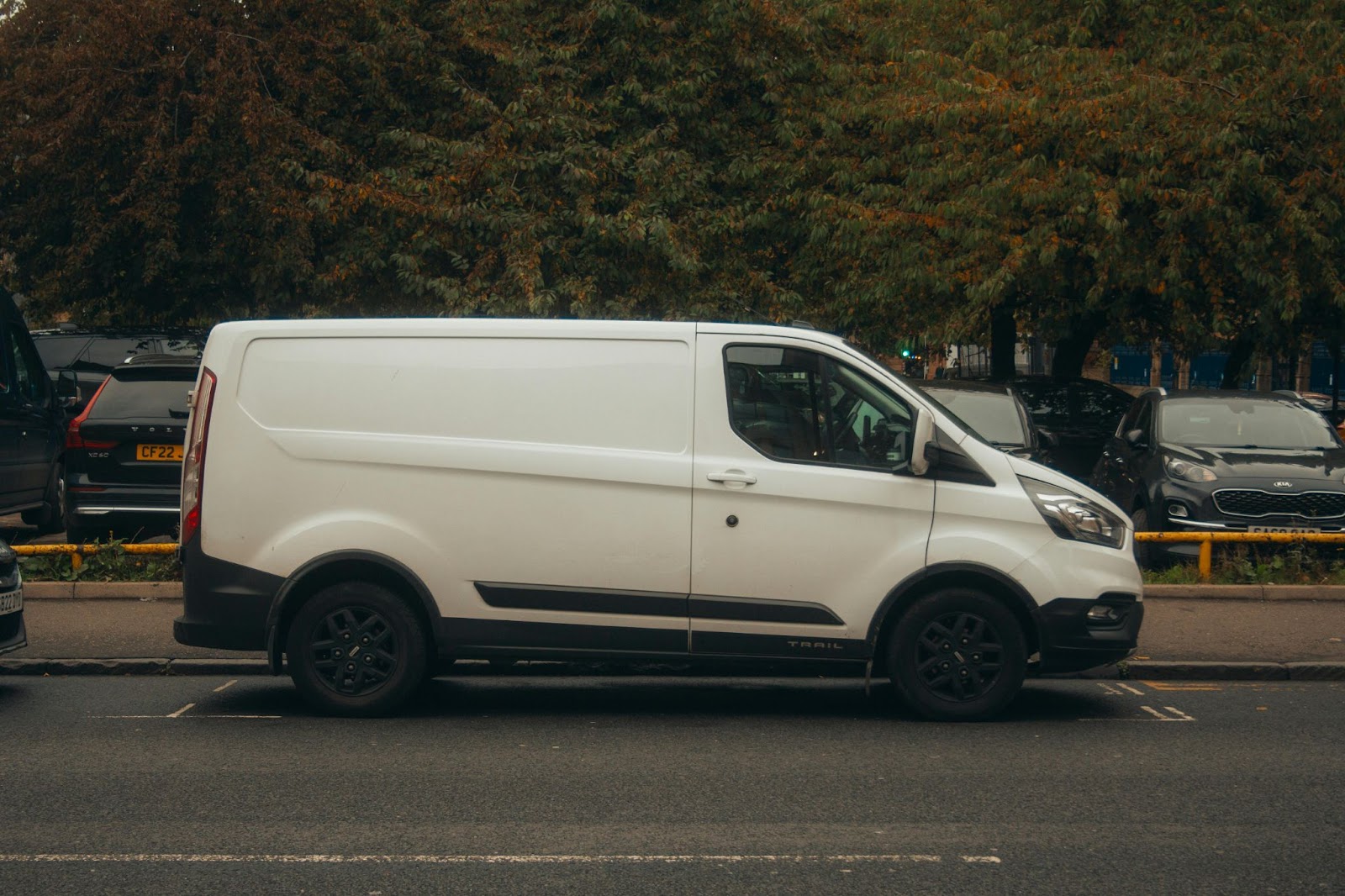
Van drivers are being urged to familiarise themselves with lesser-known van parking laws to avoid unexpected fines.
Motoring experts at LeaseLoco.com have identified five parking regulations that van drivers may not be aware of, which could result in costly penalties.
Vans generally follow the same parking laws as cars, however due to their larger size, they are more of an obstruction on the road and have a few additional regulations.
Drivers should be especially careful when parking vans overnight. If your van weighs more than 2,500kg or is parked on a road with a speed limit greater than 30mph, it must be left with its sidelights on.
Parking on pavements is not allowed unless signs permit it, particularly in London and Scotland where it is illegal and may result in fines of up to £130.
“Van drivers must remember that their vehicles are larger which means they are subject to stricter regulations in some cases,” says John Wilmot, CEO of van leasing comparison site LeaseLoco.com. “Understanding these regulations is crucial to prevent obstructing other road users and to avoid unnecessary penalties, whether you’re a tradesperson, delivery driver or simply use a van for personal transport.
“It’s important for van drivers to know that parking overnight requires extra care, especially in areas with higher speed limits, and there can also be restrictions for parking in residential areas and parking heavier vans. Even if your van is parked for a short period of time, breaching these rules can lead to hefty fines and may also result in your vehicle being towed.”
Van parking regulations drivers need to be aware of:
1. Parking on pavements
Generally, van drivers should avoid parking on pavements and only do it if signs permit it. However, the laws are stricter in London and Scotland where parking on the pavement is illegal and drivers who fail to abide by the law can be landed with a fine of up to £130 in London and £100 in Scotland.
2. Overnight parking
When parking your van at night, it’s important to ensure that you are facing the same direction as the flow of traffic, unless you are in a marked parking space. If you are parking on a road with a speed limit of more than 30 mph, you must have your parking lights on. Additionally, if your vehicle has a maximum loaded weight of more than 2.5 tonnes, you are required to use parking lights on any road, regardless of the speed limit.
3. Parking in residential areas
Parking commercial vans overnight in residential areas may have restrictions as some local councils require vans to have a permit to park on residential streets. Some van drivers assume they can park in a residential zone if they are making a delivery or working on a nearby property, however without a valid permit, they can risk receiving a fine.
4. Parking close to driveways, junctions or access points
While it may seem obvious, it’s easy to forget that vans take up more space than regular cars, especially if you’re not used to driving a van. It’s important to make sure you’re not blocking driveways, important access points, pedestrian crossings or spaces reserved for specific users. You must also not be parked within 10 metres of a junction as it can create dangerous blind spots.
5. Parking heavy vans on grass verges
Heavy vans exceeding 7.5 tonnes in weight must not be parked on grass verges. The only exception for this is when it’s essential for loading and unloading, in which case the vehicle can not be left unattended.