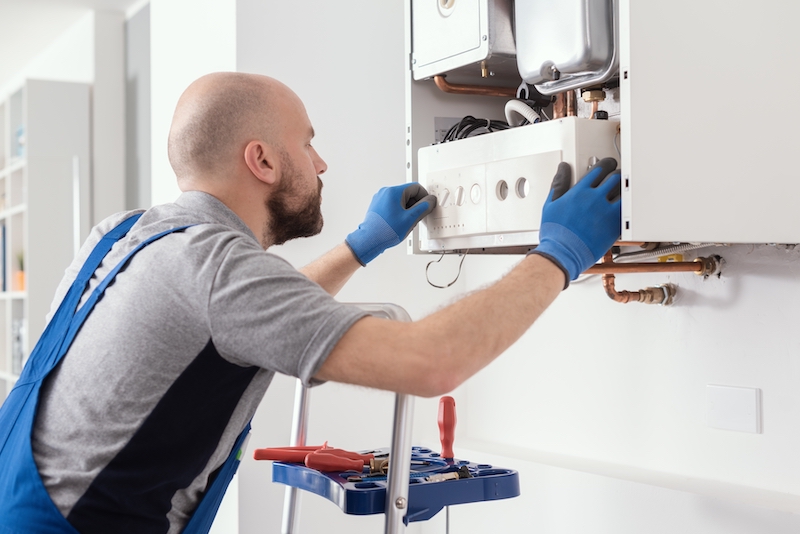
Which? is encouraging businesses and the government to help consumers plan for boiler breakdowns, which can leave them facing stressful emergency replacements during the winter months and missing the chance to consider low carbon heating options.
New research from the consumer champion shows an overwhelming three quarters (75%) of homeowners surveyed with an older heating system are not prepared in the event they should need to replace their boiler, with a quarter (27%) of them taking a ‘wait until it breaks’ approach.
While many (60%) homeowners surveyed have their boiler serviced once a year as recommended, 7% say they never have their boiler serviced and a further 31% do so less than once a year. This leaves homeowners in the dark about their boiler’s performance, increasing the likelihood of unexpected failures.
The Which? study draws on two surveys: one of households with an older heating system, and a second of households who have replaced their boiler in the last two years. Results from the surveys demonstrate that failing to plan doubles the chances of needing an emergency replacement (39% v 19%) and often leads to more stressful, high-pressure situations for both consumers and installers trying to manage a surge in urgent winter callouts. It also means consumers may not have time to consider all their options for replacing their boiler, including low carbon alternatives.
One in five (17%) homeowners surveyed reported their heating systems weren’t working well, however over half (53%) haven’t made any preparations to replace it, despite the fact that these older systems are more prone to breakdowns, particularly in winter when the majority of replacements take place.
Homeowners surveyed who did not prepare for their boiler replacement were twice as likely to struggle to find an installer (15% v 8%). Those who had planned ahead for their boiler replacements reported a much smoother and quicker replacement journey, with the majority (73%) being resolved in under 24 hours. Those who did not prepare found themselves nearly three times as likely to wait more than a day for a replacement heating system (63% v 22%) with the most common wait being 2-3 days (28%). As a result, homeowners surveyed reported increased stress and discomfort as a result due to their homes being cold, disrupted routines and an inability to wash or clean.
While many homeowners surveyed would opt for a like-for-like gas boiler replacement (76%), a fair number (15%) were considering a heat pump. Homeowners who planned their boiler replacement were more likely to explore and weigh up different home heating options. The survey findings suggest that limited time and information often leave consumers unable to explore alternatives fully.
Homeowners surveyed who planned ahead were twice as likely (21% vs. 11%) to consider different heating options, with nearly a quarter (24%) exploring a heat pump when replacing their boiler. Access to information also proved crucial: while just under half (44%) of homeowners surveyed said they would consider a heat pump, this rose to 85% among those who came across information during their research.
However, practical challenges remain. Six in ten homeowners surveyed said they could not get a heat pump installed quickly enough, and concerns about upfront costs and reliability persist.
The findings highlight that the earlier homeowners receive information about heating options, the more likely they are to consider low-carbon alternatives such as heat pumps. This creates a clear opportunity for government and businesses to engage with people at the right time, when they are actively thinking about home heating, and provide clear, high-quality advice to support decision-making.
Strikingly, the research also found that over two thirds (68%) of homeowners surveyed with older boilers hadn’t been given any information on when or how to replace their heating system, including from a heating engineer, contributing to their unpreparedness when an emergency occurs.
Only a fifth of homeowners surveyed (22%) with older heating systems have taken steps to plan for a future heating system replacement. This increases their likelihood of having to make a more stressful, rushed decision. For installers it means a spike of last-minute call outs especially in winter, causing diaries to become stretched and indicating a missed opportunity to connect with consumers and inform them of other home heating options, such as low-carbon alternatives.
Homeowners surveyed who planned their upgrade tended to spend £500 more on average (£3,000) than those who didn’t (£2,500). Planning a heating system upgrade presents an opportunity to carry out additional tasks such as flushing out radiators to ensure the systems run efficiently.
These findings highlight a clear opportunity for the government, heating engineers and installers to take a more proactive approach to engaging with consumers about their home heating and low carbon options. By speaking to households early about servicing, planned replacements and the range of options available, installers can help to spread demand more evenly across the year, reduce stressful emergencies, potentially increase revenue and position themselves as trusted advisors. Engaging with consumers early will also give them more time to explore more low-carbon home heating options such as heat pumps.
Jenny King, Head of Home Energy at Which? says: “Our research shows that too many households are unwittingly leaving themselves vulnerable to boiler breakdowns, often resulting in emergency call outs to installers during the coldest and busiest time of the year.
“This creates unnecessary stress for consumers and extra pressure for traders. By starting the conversation earlier, installers can help to ease this pressure, build stronger customer relationships and take a lead in helping households explore new low-carbon heating options.”
Read the policy paper ‘From panic to planned: Why homeowners and the government need a boiler retirement plan’ here.