Cameron Beech, DX & VRF product manager UK, and Vince Rodgers, sales support director UK for Carrier Residential & Light Commercial EMEA, explore the importance of training programmes for handling new A3 refrigerants, the adoption challenges faced by installers, and the role of industry regulations in shaping the future of HVAC training.
As the HVAC industry moves towards more sustainable refrigerant solutions, one major shift is the increased adoption of A3 refrigerants such as R290 (propane). These highly flammable substances are pivotal in reducing global warming potential (GWP) but also present unique challenges in terms of safety and installation. Carrier Solutions UK has recognised a significant skills gap among HVAC installers, many of whom lack the specialised knowledge required to safely handle A3 refrigerants.
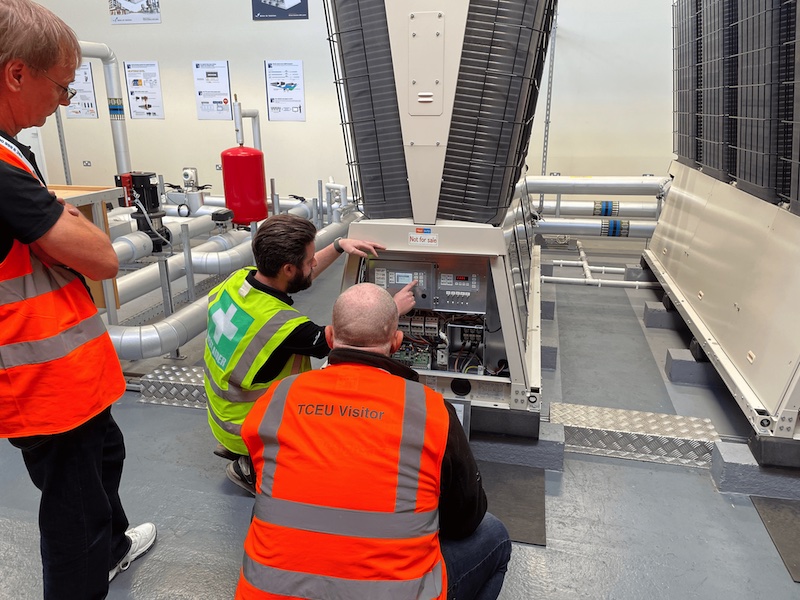
To address this gap, the company promoted extensive training programmes held at recognised centres throughout the UK by trusted third-party specialist training operators. The courses focused on equipping installers with the expertise necessary to handle these flammable refrigerants safely and efficiently and are awarded by both Logic and City & Guilds, ensuring that installers who complete it are fully qualified to work with A3 refrigerants.
The Urgent Need for Specialised Training
As Vince Rodgers, Sales Support Director UK, explains, the HVAC industry has historically relied on refrigerants like R410A, which, although effective, have a high GWP. With environmental regulations tightening and governments pushing for more sustainable alternatives, A3 refrigerants, such as R290, have become increasingly popular. However, these refrigerants present new risks due to their flammability, making specialised training essential for ensuring safe installation and maintenance.
“Installers have been trained to handle traditional refrigerants, but working with A3 refrigerants is a different ball game entirely,” says Cameron Beech, DX & VRF Product Manager UK. “There’s a huge skills gap when it comes to understanding the properties of these substances and the specific safety protocols required for handling them.”
Safety Protocols: A Core Component of Training
Carrier Solutions UK is promoting training programmes that heavily emphasise safety, focusing on protocols vital for working with A3 refrigerants and upskilling the current cohort of engineers. One of the critical components of the courses is understanding the difference between A2L and A3 refrigerants. A2L refrigerants, like R32, are mildly flammable, while A3 refrigerants, such as R290, are fully flammable and therefore require stricter safety measures.
For example, traditional recovery machines and vacuum pumps, which may work well with older refrigerants, pose a significant ignition risk when used with A3 refrigerants. Installers must use tools specifically designed for these substances to mitigate the risk of fires and explosions. These courses also teach the importance of thoroughly purging the system before conducting any hot work, such as brazing, to avoid leaving behind even trace amounts of flammable refrigerants.
“Even a small amount of residual A3 refrigerant left in a system can lead to catastrophic consequences if it ignites,” notes Cameron Beech. “That’s why meticulous evacuation and verification procedures are stressed in the training.”
Bridging the Skills Gap
Despite the critical need for proper training, there is currently no legal requirement for HVAC installers to undergo specific instruction on handling A3 refrigerants. This regulatory gap has led to concerns about the safety of both installers and end users, as improper handling of A3 refrigerants can result in accidents, including fires and explosions.
Carrier Solutions UK advocates for more stringent industry regulations that mandate A3 refrigerant training. “We know there is a massive skills gap,” Vince Rodgers points out. “Installers who’ve only ever worked with traditional refrigerants are often ill-equipped to handle the complexities and dangers associated with A3 refrigerants. This gap needs to be filled through training and possibly stricter regulatory frameworks.”
HVAC systems must be designed and installed with these new refrigerants in mind. “Technology is evolving, and so must installers,” says Cameron Beech. “Understanding how to safely install and maintain A3-compatible systems is critical. You can’t just swap out refrigerants and expect everything to function the same way.”
The Future of HVAC Training
While the flammability of A3 refrigerants is a key consideration, it is important to note that, with proper training and handling protocols, these refrigerants are not only safe but also offer significant advantages in advancing sustainable practices within the industry.
As the HVAC industry continues to transition toward more environmentally balanced refrigerants, the importance of comprehensive training will only grow. Carrier Solutions UK is leading the charge by promoting training that focuses not only on technical skills but also on regulatory knowledge and safety awareness.
“Looking forward, we expect the demand for A3 refrigerants to increase,” Vince Rodgers notes. “The industry is moving towards sustainable solutions, which means more installers will need to be trained to handle these flammable refrigerants. The skills required today will become even more critical in the future.”
Cameron Beech echoes this sentiment: “The transition is happening, and it’s happening fast. Installers need to be prepared, not just for the refrigerants we use today but for those we’ll be using tomorrow.”
Carrier Solutions UK’s commitment to training and education ensures that the HVAC workforce is prepared to meet the challenges of this evolving landscape, bridging the skills gap and making the transition to A3 refrigerants as safe and smooth as possible.
This training gap is a risk we can’t ignore; as the HVAC industry evolves, so must the skills of its workforce.