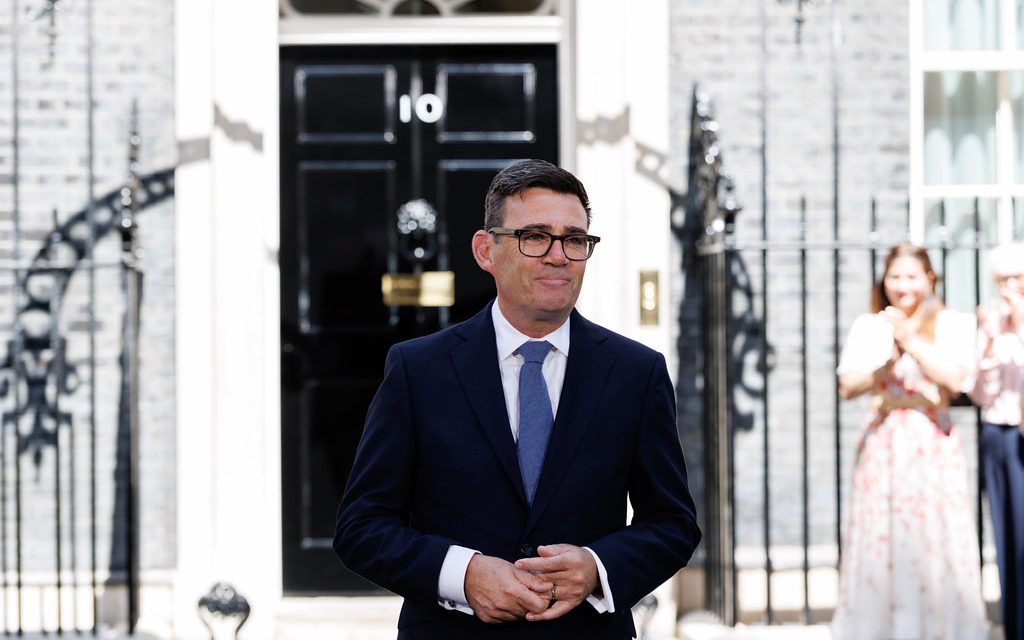
Households in Great Britain are expected to save about £45 a year on electricity bills from October after new Prime Minister Andy Burnham announced that VAT on domestic electricity will be removed.
The government said the rate of VAT on household electricity will fall from 5% to 0% from 1 October, providing “immediate” support for households ahead of the winter. The measure is expected to cost about £850m during the current financial year and will be funded by cancelling the Digital ID programme.
The reduction is expected to take effect in time for the next Ofgem price cap. Energy suppliers will be expected to pass the full VAT saving on to customers, including those on fixed tariffs.
The cancelled Digital ID programme had been expected to cost £1.8bn over the next three years, with funding instead being redirected to cover the electricity VAT cut. It said any decisions on extending the measure or introducing further support would be taken at the Budget and would remain in line with its fiscal rules.
According to Treasury estimates, removing VAT from domestic electricity bills would reduce CPI inflation by around 0.10 percentage points and RPI inflation by about 0.14 percentage points.
The announcement prompted questions over the funding of the policy. Darren Jones, who served as chief secretary to the Treasury under Sir Keir Starmer, said the Digital ID programme had been “unfunded” and called on the government to explain how it would pay for new policies at the Budget. Asked whether savings had already been identified for the scheme, Business Secretary Jonathan Reynolds told the BBC: “They would have had to have been,” adding that cancelling the programme was a “legitimate decision”.
Small businesses who qualify for the domestic energy VAT relief and are not registered for VAT, as well as charities and residential care homes eligible for the reduced rate will also benefit.
In Northern Ireland, where post-Brexit arrangements mean EU VAT rules continue to apply to electricity, the government said equivalent funding would be provided to the Northern Ireland Executive so households receive comparable support.
Commenting on the news, James Chaplen, head of product marketing and communications at Mitsubishi Electric says:
“The cut to VAT on electricity bills from October is a welcome step towards encouraging households to make the switch to heat pumps and to move away from gas boilers. This reduction in the cost of electricity will be welcomed by many households. By rebalancing and narrowing the gap between the price of gas and electricity makes the transition to renewable home heating more affordable.
“This is a positive step to addressing the fundamental problem of electricity being more expensive than gas per kilowatt hour. Importantly, it also reduces the UK’s reliance on fossil fuels and improves energy security in the long-term.”