Homeowners across the UK are increasingly concerned about how to keep their homes warm while minimising their heating bills, but professional heating engineers are in a unique position to guide their customers in making their heating systems more energy-efficient, both through technical adjustments and with advice on energy-saving practices. Stewart Clements, director at the Heating and Hotwater Industry Council (HHIC), explains how you can help your customers to achieve significant savings.
There are around 130,000 heating professionals in the UK, well-versed in heating technology, best practices for energy efficiency, and the latest government guidelines. They are perfectly placed to advise households on the best ways to optimise their heating systems, be more energy efficient, and save money. From boiler settings to insulation advice, heating engineers can help their customers make a substantial difference in their energy bills and reduce their carbon footprint.
Key efficiency advice
- Upgrading the heating system
Most UK homes – 92% – are fitted with a central heating system. Heating engineers can recommend upgrades for outdated systems and advise on smart heating controls that improve system efficiency. Today’s modulating boilers adjust their power to provide the exact amount of heat needed, rather than working at a fixed output, conserving energy and maintaining comfort.
2. Scheduling heating times
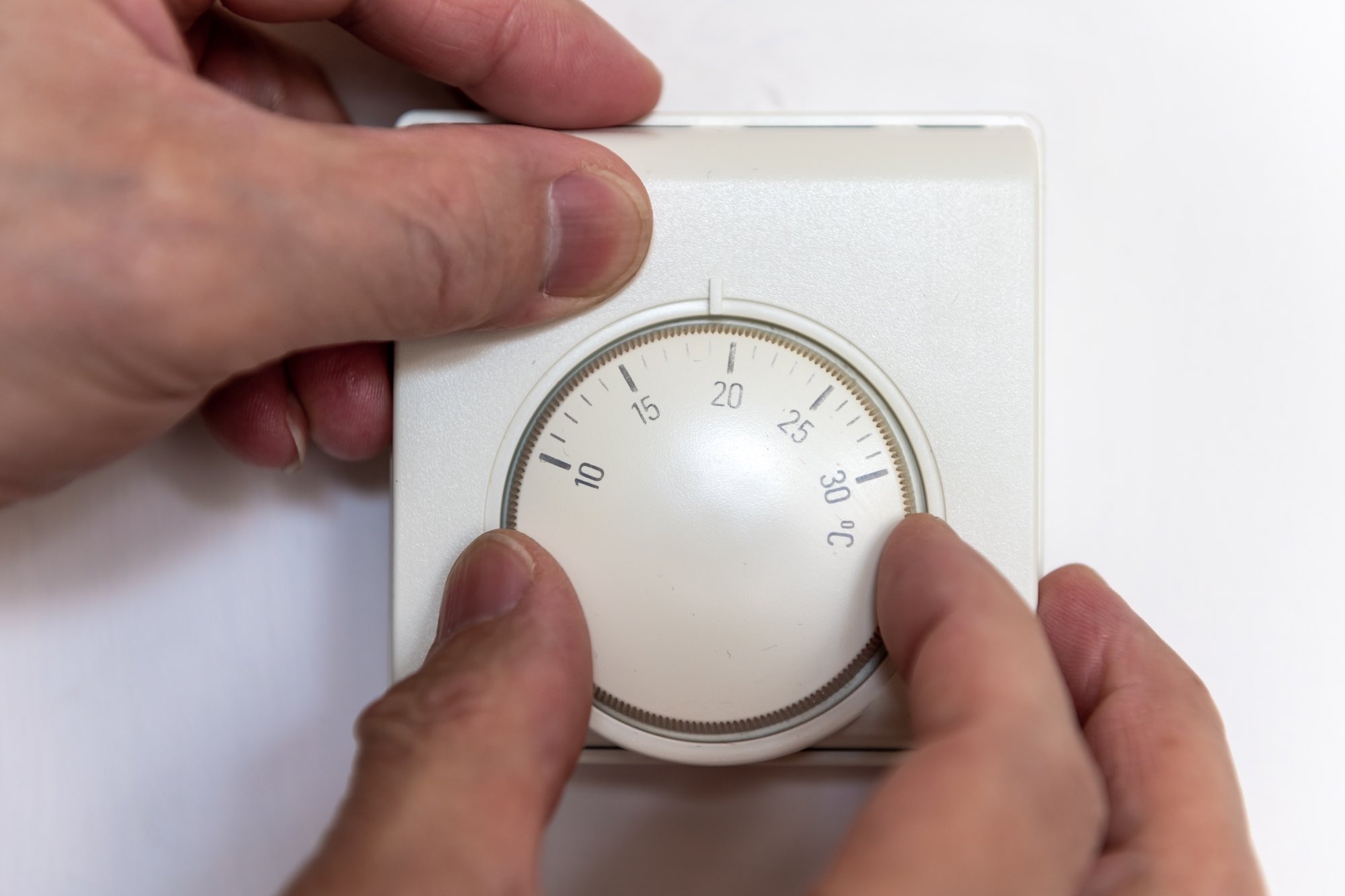
Setting a heating schedule is an easy way to ensure systems operate only when necessary. Engineers can help customers to set up timers properly to reduce wasted energy, such as keeping heating off during work hours or while they sleep. This simple adjustment can significantly reduce energy costs by avoiding the common mistake of heating an empty home.
3. Balancing radiators for even heat distribution
A balanced heating system ensures that each room reaches the desired temperature without placing extra strain on the boiler. Many homeowners are unaware of the benefits of radiator balancing, which optimises heat flow throughout the system. Heating engineers are best placed to perform this task, which can help homes maintain consistent warmth without unnecessary energy usage.
4. Reducing boiler flow temperature
Reducing the boiler flow temperature to around 60°C can be a cost-effective way to save energy, as this allows condensing combi boilers to operate in their most efficient mode. According to research carried out by Nesta as part of its Money Saving Boiler Challenge, lowering the flow temperature to this level could save households around £65 annually (based on energy prices as at September 2023), as well as reducing carbon emissions.
5. Thermostatic radiator valves (TRVs)
TRVs allow the temperature in individual rooms to be controlled, so that the temperature in less frequently used rooms can be set much lower, even to the ‘frost protection’ position in unused rooms, reducing energy use and therefore unnecessary heating costs. Engineers should show householders how to use TRVs properly, without compromising comfort.
6. Advising on smart controls
Heating engineers can advise on smart thermostats and modulating gas boilers that automatically adjust output based on room temperature. When they install new controls, they should configure them so they can be controlled remotely, helping their customers fine-tune their heating habits for maximum efficiency.
7. Insulating hot water cylinders
For homes with older heating systems, ensuring hot water storage cylinders are well-insulated can yield efficiency gains. Cylinder insulation is a relatively low-cost improvement that reduces heat loss and keeps water hotter for longer.
Annual service and safety checks
Regular maintenance of heating systems is essential for efficiency and also for safety. Annual servicing of a gas boiler by a Gas Safe Registered engineer helps ensure that systems run smoothly and reduces the likelihood of breakdowns, which can be costly and disruptive in winter. A thorough service typically includes checking for leaks, monitoring gas pressure, and cleaning essential components, all of which contribute to better efficiency and prolonged boiler life. Ensuring water in the heating system has the correct inhibitor concentration is an important check during a service, and the type and concentration used should be recorded in the Benchmark Commissioning Checklist in the Annual Service section. Information specific to the installed heat generator can be found in the manufacturer’s instructions.
Insulate to reduce heat loss
Heating engineers will have a good understanding of the effect of insulating the home when completing heat loss calculations. Insulation plays a crucial role in energy efficiency, and heating engineers should highlight the importance of proper insulation, such as double glazing, cavity wall insulation, and loft insulation. With 88% of homes in England already fitted with double glazing and 52% with wall insulation (according to the English Housing Survey 2022 to 2023 Headline Report), there is still room for improvement in areas like loft insulation.
Taps and showers
Switching to energy-efficient taps and showers is a lesser-known way to conserve energy and lower bills. Heating engineers can recommend water-saving devices that integrate easily into existing system, such as those with aerators or air-mixing technology, that can help households use less hot water without sacrificing performance.
A holistic approach to energy efficiency
Heating engineers provide a unique combination of technical skill, knowledge of the latest energy-saving products, and personal guidance, making them invaluable resources for homeowners looking to reduce their heating costs this winter. By taking a holistic approach that combines system improvements, routine maintenance, insulation advice, and water-saving solutions, they can help customers enjoy a warm, energy-efficient home, even during the coldest months.
The HHIC has created an energy efficiency guide that heating engineers can leave with their customers for reference: https://www.hhic.org.uk/resources/10