
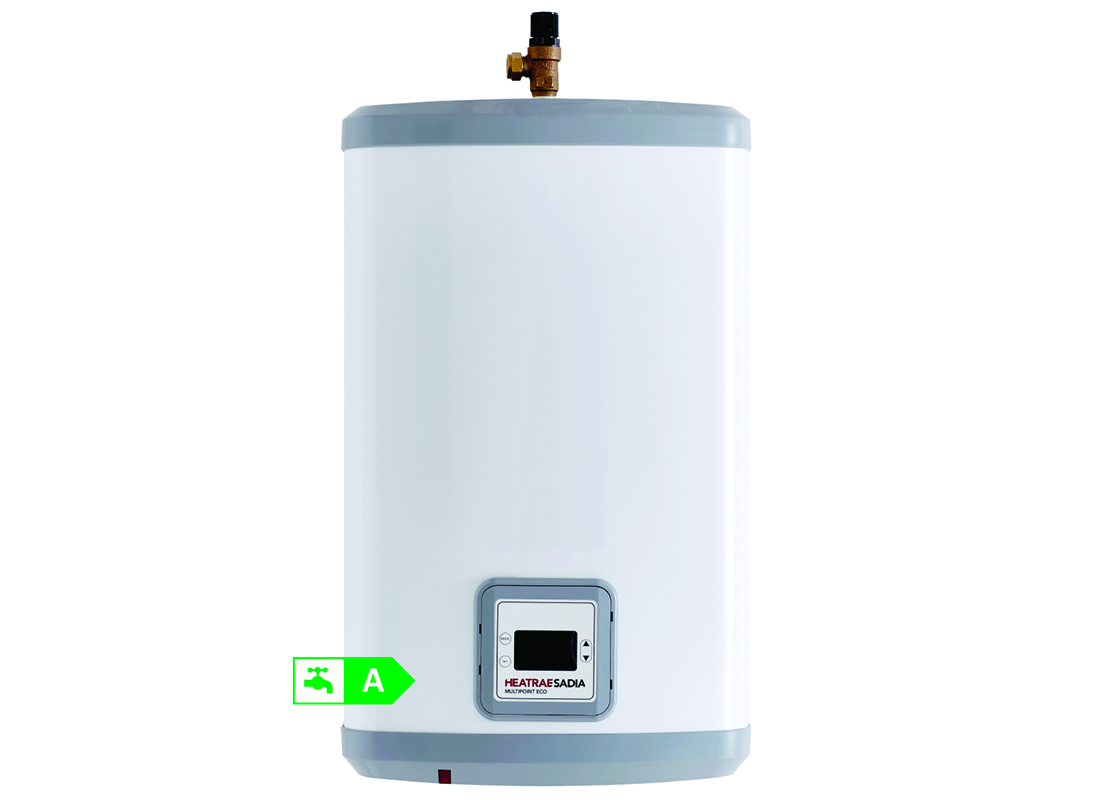
The latest in smart thermostatic technology has the potential to cut the running costs of water heaters without the need for frequent user interaction – so says Roy Marsden, Product Manager at Heatrae Sadia.
Facilities managers are invariably faced with the difficult task of providing hot water to a building while simultaneously keeping running costs to a minimum. As a result, product selection should go beyond simply looking at upfront cost, with increased attention paid to the energy efficiency of hot water systems, which can drastically impact their ongoing expenditure.
Hands off
One of the most effective ways to improve efficiency is to look for water systems which combine intelligent technology with intuitive design. By facilitating a flexible approach to water supply, the latest innovations can contribute to a reduction in user interaction while optimising water efficiency.
Intelligent and adaptive technology is one of the best ways to reduce the total cost of ownership of a hot water system. Smart thermostatic controls are capable of continuously monitoring usage, and within a few weeks can learn the typical patterns of a building.
Given that water demand is rarely uniform, the system adjusts output accordingly, self-managing through peak and trough demand periods in order to maximise efficiency. Crucially, this can result in a reduction in fuel consumption of up to 19%.
One of the defining features of modern unvented systems is that their energy efficiency credentials are achieved without sustained user-interaction. Ultimately, this frees up labour time for facilities managers to concentrate on tasks which may require a more hands-on approach.
Some systems will also offer vacation modes, a function which ensures water isn’t heated unnecessarily when a building’s occupants are away, resulting in further significant energy savings. This means that facilities managers can, in turn, rest assured that the system will continue to operate effectively.
Usability
Heatrae Sadia’s Multipoint Eco uses this latest technology, ensuring that output is carefully controlled to match demand. With an ErP rating of up to ‘A’, depending on the output, it provides managers with the peace of mind that total cost of ownership will be as low as possible.
The overall usability of unvented point-of-use water heaters shouldn’t be ignored, given its role in reducing interaction time, a contributing factor to total cost of ownership. Aside from the above smart features, which eliminate the need for constant human interaction, the displays and controls on a system should be as easy to use as possible. An intuitive design enables users to quickly familiarise themselves with the controls, freeing up time for them to do more demanding tasks.
An intuitive set of controls will also help to improve the performance of a system by providing easily accessible temperature readings. Combined with a reduction in downtime as a result of less user error, the usability of unvented point-of-use water heaters is a crucial consideration for any company that is seeking to lower running costs.
With numerous tasks and considerations to juggle, facilities managers are challenged with delivering a reliable hot water supply, amongst several other crucial building services. Therefore, opting for hot water solutions which prioritise energy optimisation on a continual basis will significantly ease some of your customer’s day-to-day pressure.
